

Design of Soapstone Pneumatic Conveying Equipment
Soapstone, a natural mineral with distinct physical properties, is widely utilized across multiple industries including construction, ceramics, and manufacturing. Efficient material handling is essential for the processing of soapstone, and pneumatic conveying systems provide a reliable method for transporting this material. This article outlines the design considerations and key components of a pneumatic conveying equipment specifically engineered for soapstone, developed by Shandong HeadPowder Engineering Co., Ltd., a professional engineering firm specializing in powder and bulk material solutions.

Company Overview
Shandong HeadPowder Engineering Co., Ltd., commonly referred to as headpowder, is a leading engineering company based in Shandong, China. The firm specializes in the design, manufacturing, and installation of advanced pneumatic conveying systems and related equipment. With extensive experience in handling challenging materials like soapstone, headpowder has built a reputation as a trusted provider of tailored engineering solutions. The company’s focus on innovation and quality ensures that its products meet the stringent requirements of industrial applications.

Design Principles for Soapstone Pneumatic Conveying
The design of a pneumatic conveying system for soapstone necessitates careful consideration of the material's physical characteristics. Soapstone typically comprises fine to medium-sized particles with a relatively high density and specific gravity. These attributes influence the selection of the conveying method—whether positive pressure, negative pressure, or a hybrid approach. The system must also account for the abrasive nature of soapstone, which can cause wear on equipment components. Additionally, the design aims to minimize dust generation and comply with environmental regulations. The process involves analyzing factors such as material flow rate, transport distance, and required pressure levels to achieve optimal performance and efficiency.

Key Components and Technical Specifications
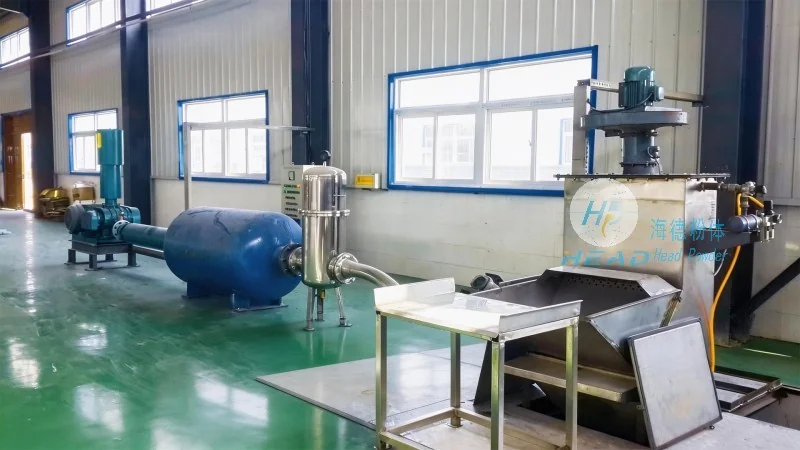
The pneumatic conveying equipment for soapstone includes several critical components that work in unison to ensure efficient operation. The primary components are the material feeder, which accurately meters soapstone into the conveying line; the air compressor or fan system, which supplies the necessary airflow and pressure; the conveying pipeline, typically constructed from corrosion-resistant materials like stainless steel or specialized coatings to withstand the abrasive properties of the material; and the separation and collection system, which removes soapstone particles from the air stream and collects them in a storage or processing unit. The material feeder is engineered to handle the specific flow characteristics of soapstone, ensuring consistent feed rates. The air compressor is selected based on required pressure and flow rates, with considerations for energy efficiency and noise reduction. The pipeline system is designed to minimize pressure drop and maintain smooth material flow, incorporating appropriate bends and fittings to preserve material integrity. The separation system, often a cyclone or bag filter, effectively captures soapstone particles, preventing dust emissions and ensuring clean air discharge.
Advantages of the Designed System
The pneumatic conveying system designed for soapstone by headpowder offers several advantages over traditional material handling methods such as belt conveyors or bucket elevators. A key benefit is the ability to operate in a closed system, significantly reducing dust pollution and enhancing workplace safety. The system also delivers high efficiency in material transport, with minimal material loss and low maintenance requirements. The design allows for flexible installation, adapting to diverse plant layouts and production needs. Additionally, the system is energy-efficient, with optimized airflow and pressure control that reduces operational costs. The reliability of the system is enhanced by durable components and advanced control systems, ensuring consistent performance over extended periods.
Application Scenarios
The designed pneumatic conveying equipment is suitable for various applications involving soapstone processing. In the construction industry, it can transport soapstone for use in countertops, flooring, and other building materials. In the ceramics industry, the system handles soapstone as a raw material in tile and ceramic product manufacturing. Additionally, it is applicable in manufacturing processes where soapstone serves as a filler or additive. The system's adaptability allows integration into existing production lines or use as a standalone solution for material handling. The company’s expertise in customization ensures the equipment meets specific client needs, whether for small-scale operations or large industrial facilities.