

What is a Ternary Lithium Material Pneumatic Conveying Line? What are its Design Principles?
For those in the battery manufacturing and material handling industries, understanding advanced equipment like ternary lithium material pneumatic conveying lines is crucial. These systems are designed to efficiently transport fine powders, such as those used in lithium-ion battery production. This article explores what these lines are and the core design principles that make them effective for handling ternary lithium materials.

About HeadPowder: Your Trusted Partner in Pneumatic Conveying Solutions
HeadPowder, short for Shandong HeadPowder Engineering Co., Ltd., is a leading manufacturer and supplier of industrial pneumatic conveying equipment. With a focus on innovation and precision engineering, HeadPowder has established itself as a trusted partner for companies seeking reliable solutions for material handling. Based in Shandong, China, the company leverages decades of experience to deliver high-quality equipment tailored to the specific needs of its clients. Whether for research and development or large-scale production, HeadPowder’s expertise in pneumatic conveying systems ensures that clients receive products that meet the highest standards of performance and durability.
Understanding Ternary Lithium Material Pneumatic Conveying Lines
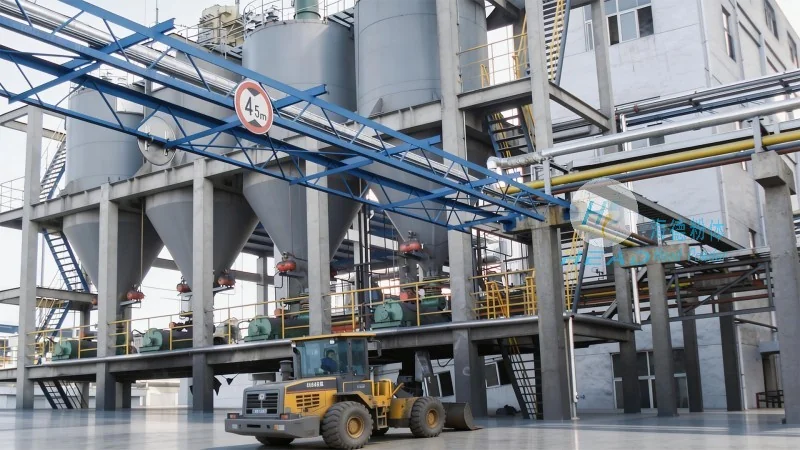
Ternary lithium material pneumatic conveying lines are specialized systems designed to transport fine powders, particularly those used in the production of lithium-ion batteries. The term "ternary lithium" refers to the chemical composition of the battery material, typically a blend of lithium, cobalt, nickel, and manganese. These materials are often in the form of fine powders that require gentle and efficient handling to prevent agglomeration or degradation. A pneumatic conveying line uses compressed air or other gases to move the material through a network of pipes, ensuring minimal contact with the environment and maintaining the material’s quality. The system typically includes components such as a hopper, feeder, conveying line, and a receiver, all working in tandem to achieve seamless material transfer.

Design Principles of Ternary Lithium Material Pneumatic Conveying Systems
The design of a ternary lithium material pneumatic conveying line is based on several key principles to ensure optimal performance and material integrity. First, the system must be designed to handle the specific properties of ternary lithium powders, including their particle size, density, and flow characteristics. This involves selecting appropriate materials for the conveying line, such as stainless steel or specialized polymers, to prevent corrosion and material contamination. Second, the system must maintain a consistent air flow and pressure to ensure reliable material transport. This is achieved through the use of high-quality air compressors and control systems that regulate the flow of air through the pipes. Third, the design must incorporate features to minimize material degradation, such as gentle agitation and low shear forces. This is critical for maintaining the battery material’s performance and preventing issues like agglomeration or oxidation. Additionally, the system should be designed for easy maintenance and cleaning to ensure long-term operation and compliance with industry standards.
Applications and Benefits of Ternary Lithium Pneumatic Conveying
Ternary lithium material pneumatic conveying lines are widely used in the battery manufacturing industry, particularly in the production of lithium-ion batteries. These systems are essential for transferring raw materials from storage to processing equipment, such as mixers and extruders. The benefits of using pneumatic conveying for ternary lithium materials include improved efficiency, reduced labor costs, and enhanced material quality. By using compressed air to move the material, the system eliminates the need for manual handling, which reduces the risk of contamination and improves safety. Additionally, pneumatic conveying systems can be integrated with other production processes, such as drying and mixing, to create a seamless workflow. The design of these systems also allows for easy scaling, making them suitable for both small-scale research and large-scale industrial production. Overall, ternary lithium material pneumatic conveying lines offer a reliable and efficient solution for handling sensitive materials in the battery industry.
Conclusion
In conclusion, ternary lithium material pneumatic conveying lines are sophisticated systems designed to efficiently and safely transport fine powders used in lithium-ion battery production. The design principles behind these systems focus on material integrity, consistent performance, and ease of maintenance. Companies like Shandong HeadPowder Engineering Co., Ltd. play a crucial role in providing these advanced solutions, leveraging their expertise to meet the evolving needs of the battery industry. By understanding the design and benefits of these systems, manufacturers can enhance their production processes and ensure the quality of their products.