

Principle and Working Scene Characteristics of Nitrogen Circulation Material Pneumatic Conveying Lin
HeadPowder, a leading provider in the field of material handling solutions, specializes in advanced pneumatic conveying systems. This article delves into the core principles and operational characteristics of the nitrogen circulation material pneumatic conveying line, a technology designed to enhance efficiency and safety in bulk material transport. The company, Shandong HeadPowder Engineering Co., Ltd., based in Shandong, China, has been at the forefront of developing innovative solutions tailored to meet diverse industrial needs.

Understanding the Nitrogen Circulation Material Pneumatic Conveying Line
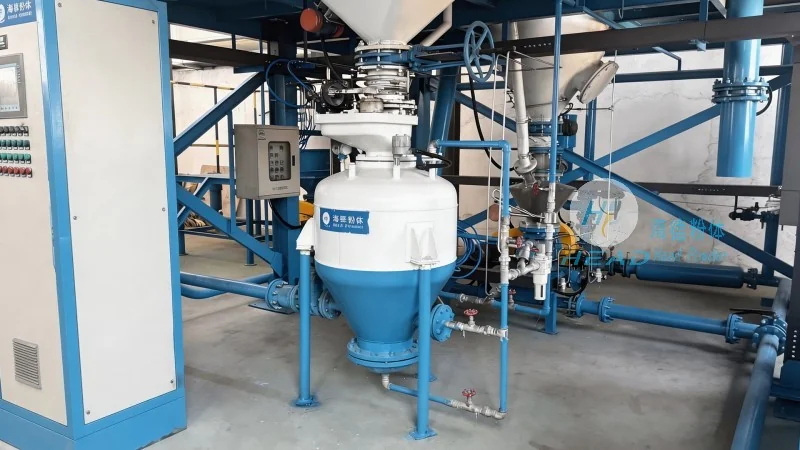
The nitrogen circulation material pneumatic conveying line operates on the principle of using compressed nitrogen gas to transport dry bulk materials through a sealed pipeline system. This method is particularly advantageous for applications where material contamination, dust control, and product integrity are critical. The system typically consists of a nitrogen generator, a conveying pipeline network, and a receiver or discharge unit. The nitrogen gas, often recirculated to minimize consumption, creates a low-pressure or high-pressure environment that propels the material particles along the pipeline. By maintaining a controlled atmosphere, the system prevents oxidation, moisture absorption, and cross-contamination, making it ideal for sensitive materials such as pharmaceuticals, food products, and fine chemicals.
Key Working Principles
At the heart of the nitrogen circulation material pneumatic conveying line is the use of nitrogen as the conveying medium. Unlike traditional air-based systems, nitrogen is inert and non-reactive, ensuring that the transported materials remain in their original state. The process begins with the material being fed into a hopper or feeder, where it is then drawn into the conveying line by the nitrogen flow. The gas velocity is carefully controlled to ensure that the material particles are carried efficiently without causing excessive wear on the pipeline or equipment. The recirculation of nitrogen reduces operational costs and environmental impact, as it minimizes the need for continuous fresh gas supply. This closed-loop system also enhances safety by eliminating the risk of fire or explosion, which is a significant concern in industries dealing with flammable or explosive materials.

Working Scene Characteristics and Applications
The nitrogen circulation material pneumatic conveying line is versatile and can be adapted to various industrial settings. Its working scene characteristics include high efficiency in material transport, minimal product degradation, and reduced maintenance requirements due to the absence of moving parts in the conveying line itself. The system is particularly suitable for applications in pharmaceutical manufacturing, where product purity and sterility are paramount. In food processing industries, it ensures that the conveyed materials remain free from contaminants and maintain their quality. Additionally, it is widely used in chemical and petrochemical sectors for handling sensitive powders and granules. The flexibility of the system allows for both short and long-distance transport, making it adaptable to different plant layouts and production scales. The working scene also includes environments where dust control is essential, such as in facilities dealing with powders that could cause respiratory hazards or environmental pollution. By integrating advanced control systems, the conveying line can be automated to match production rates, ensuring consistent and reliable material flow.
Advantages and Technical Features
Several key advantages distinguish the nitrogen circulation material pneumatic conveying line from other material handling methods. The primary benefit is the preservation of material quality, as the inert nitrogen atmosphere prevents oxidation and moisture absorption. This is crucial for products that are sensitive to environmental factors, such as pharmaceuticals and food ingredients. Another advantage is the enhanced safety profile, as nitrogen is non-flammable and reduces the risk of fire or explosion in hazardous environments. The system also offers cost savings through the recirculation of nitrogen, which reduces energy consumption and operational expenses. From a technical standpoint, the system utilizes a sealed pipeline, which eliminates the need for frequent cleaning and maintenance associated with traditional open systems. The use of high-quality materials for the pipeline and components ensures durability and long service life. Additionally, the system can be equipped with monitoring and control features, allowing for real-time tracking of material flow and system performance. This integration of technology enhances operational efficiency and allows for quick adjustments to meet changing production demands.
Conclusion
HeadPowder Engineering Co., Ltd., based in Shandong, China, has successfully developed and implemented the nitrogen circulation material pneumatic conveying line as a cutting-edge solution for bulk material transport. This technology combines the principles of pneumatic conveying with the benefits of nitrogen recirculation, offering a safe, efficient, and cost-effective method for handling sensitive materials. The working scene characteristics, including high product integrity, minimal contamination, and reduced operational costs, make it an ideal choice for industries where quality and safety are non-negotiable. As the demand for advanced material handling solutions continues to grow, the nitrogen circulation material pneumatic conveying line remains a reliable and innovative option for businesses seeking to optimize their production processes. With its robust design and adaptability, this system is poised to play a significant role in the future of industrial material transport.