

Operation Process and Working Principle of Dry Manure Pneumatic Conveying Machine
For agricultural operations dealing with manure handling, the dry manure pneumatic conveying machine offers an efficient solution. This equipment, manufactured by Shandong HeadPowder Engineering Co., Ltd., based in Shandong, China, is designed to transport dry manure with precision and reliability. Understanding its operation process and working principle is crucial for optimizing its performance in various farming applications.

Introduction to Dry Manure Pneumatic Conveying Machine
The dry manure pneumatic conveying machine is a specialized system used to transport dry manure from one location to another without the need for mechanical components like belts or chains. It operates by using compressed air to move the material through a pipeline. This method is particularly advantageous in agricultural settings where traditional conveyors may be less effective due to the nature of the material, such as its dryness and potential for dust generation.
Key Components and Their Functions
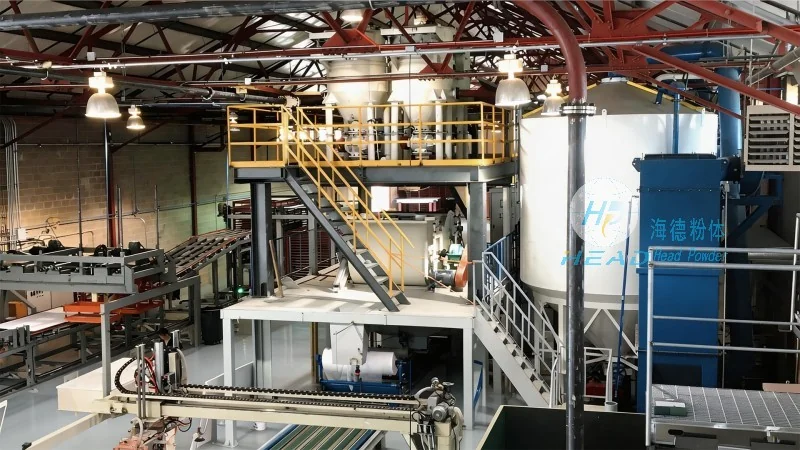
The dry manure pneumatic conveying machine consists of several key components that work in tandem to ensure efficient operation. These include the hopper for material storage, the air compressor that generates the necessary pressure, the pipeline system for material transport, and the control unit that regulates the flow of air and material. Each component plays a vital role in the overall functionality of the system.
Operation Process of the Dry Manure Pneumatic Conveying Machine
The operation process of the dry manure pneumatic conveying machine begins with the loading of dry manure into the hopper. The material is then fed into the pipeline as compressed air is introduced from the air compressor. The air and manure mixture travels through the pipeline under pressure, moving the material to the desired destination. The system is designed to maintain consistent flow rates, ensuring that the manure is transported without clogging or loss of material.
Working Principle Explained
The working principle of the dry manure pneumatic conveying machine is based on the principles of fluid dynamics and air pressure. When compressed air is introduced into the pipeline, it creates a low-pressure zone that draws the dry manure particles into the flow. The air acts as a carrier, transporting the material through the system. The design of the hopper and pipeline ensures that the material is evenly distributed and moves smoothly, minimizing the risk of blockages or material degradation.

Benefits and Applications
The dry manure pneumatic conveying machine offers several benefits for agricultural operations. It provides a hygienic and efficient method of transporting dry manure, reducing the risk of contamination and improving overall farm management. The system is suitable for various applications, including moving manure from storage facilities to processing units or spreading equipment. Its ability to handle dry manure without the need for water or additional additives makes it a cost-effective solution for farmers.

Maintenance and Operational Tips
To ensure the optimal performance of the dry manure pneumatic conveying machine, regular maintenance is essential. This includes checking the air compressor for proper pressure, inspecting the pipeline for any blockages or leaks, and cleaning the hopper and other components as needed. Following the manufacturer's guidelines for maintenance can help extend the lifespan of the equipment and maintain its efficiency.
Conclusion
The dry manure pneumatic conveying machine, manufactured by Shandong HeadPowder Engineering Co., Ltd., is a reliable and efficient solution for transporting dry manure in agricultural settings. By understanding its operation process and working principle, farmers can optimize its use and improve their overall manure management practices. With proper maintenance and operation, this equipment can provide long-term benefits for agricultural operations.