

Sodium Fluosilicate Pneumatic Conveying Technology: In-Depth Analysis of Vacuum and Positive Pressur
HeadPowder, a leading provider in the field of material handling solutions, specializes in advanced pneumatic conveying systems for sodium fluosilicate. This article delves into the technical aspects of both vacuum and positive pressure pneumatic conveying, offering a comprehensive understanding of their applications and benefits.

Introduction to Sodium Fluosilicate and Pneumatic Conveying
Sodium fluosilicate, a chemical compound widely used in various industrial processes, requires efficient and reliable material transport methods. Pneumatic conveying, a technology that uses air or gas to move bulk materials, has become a preferred solution for handling sodium fluosilicate due to its ability to transport materials over long distances with minimal dust and contamination. The choice between vacuum and positive pressure systems depends on specific operational requirements, material characteristics, and process constraints.
Vacuum Pneumatic Conveying for Sodium Fluosilicate
Vacuum pneumatic conveying systems operate by creating a negative pressure in the conveying line, drawing material from a source into the system. This method is particularly effective for sodium fluosilicate when the material needs to be transported from a central storage point to multiple destinations or when the material is sensitive to pressure changes. The system typically includes a vacuum pump, a material feed hopper, and a series of ducts that connect the source to the discharge points. HeadPowder's vacuum conveying solutions are designed to handle the unique properties of sodium fluosilicate, ensuring consistent flow rates and minimal material degradation.
Positive Pressure Pneumatic Conveying for Sodium Fluosilicate
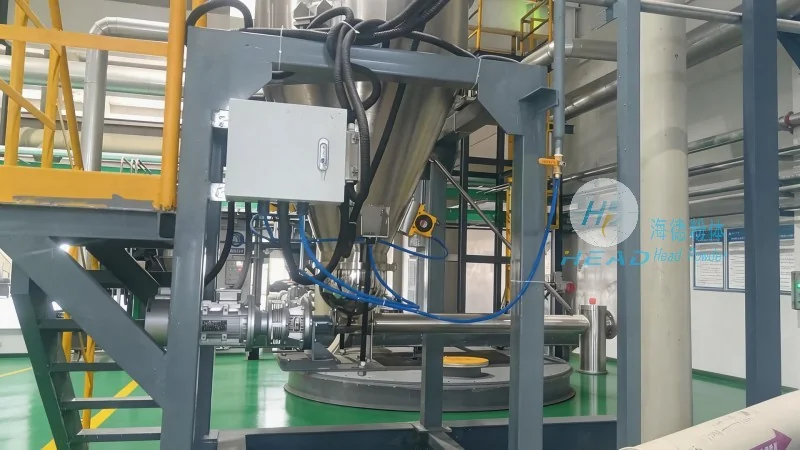
Positive pressure systems, on the other hand, generate positive pressure within the conveying line, pushing material from a source to a destination. This approach is often preferred for applications requiring high material throughput or when the material is prone to caking or agglomeration. The system utilizes a blower or compressor to force air through the ducts, carrying the sodium fluosilicate particles. HeadPowder's positive pressure conveying systems are engineered to maintain optimal air velocity, preventing material buildup and ensuring smooth operation. These systems are particularly effective for long-distance or high-capacity transport of sodium fluosilicate.
Key Considerations for Choosing Between Vacuum and Positive Pressure Systems
When selecting a pneumatic conveying system for sodium fluosilicate, several factors must be considered. The distance between the source and destination, the required material flow rate, the material's density and particle size, and the need for dust control are all critical. Vacuum systems are generally more suitable for shorter distances and lower flow rates, while positive pressure systems excel in longer distances and higher throughput. Additionally, the system's energy consumption and maintenance requirements should be evaluated. HeadPowder provides expert consultation to help clients determine the most appropriate system based on their specific needs.
Applications of Pneumatic Conveying in Sodium Fluosilicate Processing
Sodium fluosilicate is used in a variety of industries, including water treatment, glass manufacturing, and chemical production. Pneumatic conveying plays a vital role in the efficient transport of this material within these processes. For example, in water treatment plants, sodium fluosilicate is used as a coagulant, and pneumatic conveying ensures it is delivered to the treatment tanks without loss or contamination. In glass manufacturing, the material is used as a flux, and positive pressure systems are often used to transport it from storage to the furnace. HeadPowder's systems have been successfully implemented in these applications, improving operational efficiency and reducing downtime.

Advantages of HeadPowder's Pneumatic Conveying Solutions
HeadPowder, with its headquarters in Shandong, China, offers customized pneumatic conveying solutions tailored to the unique requirements of sodium fluosilicate handling. Our systems are designed to minimize material degradation, reduce dust emissions, and optimize energy consumption. The company's expertise in material handling technology ensures that clients receive reliable and efficient solutions that meet their operational goals. Whether using vacuum or positive pressure systems, HeadPowder's solutions are built to withstand the demands of industrial environments, providing long-term performance and durability.
Conclusion
In conclusion, the choice between vacuum and positive pressure pneumatic conveying systems for sodium fluosilicate depends on specific operational needs and material characteristics. Both systems offer distinct advantages, and HeadPowder's expertise in designing and implementing these solutions ensures that clients achieve optimal performance and efficiency. With a focus on quality and customer satisfaction, HeadPowder continues to be a trusted partner in the material handling industry, providing innovative solutions for sodium fluosilicate and other bulk materials.