

Common Methods for Silicone Powder Conveying
Silicone powder, a critical component in numerous industrial applications, demands efficient and reliable conveying systems to maintain smooth production workflows. The selection of a suitable conveying method depends on several factors, including the powder's physical properties, production scale, and operational environment. This article examines several common methods used for silicone powder handling, detailing their advantages and typical applications to help industrial operators make informed decisions.
Screw Conveyors for Silicone Powder
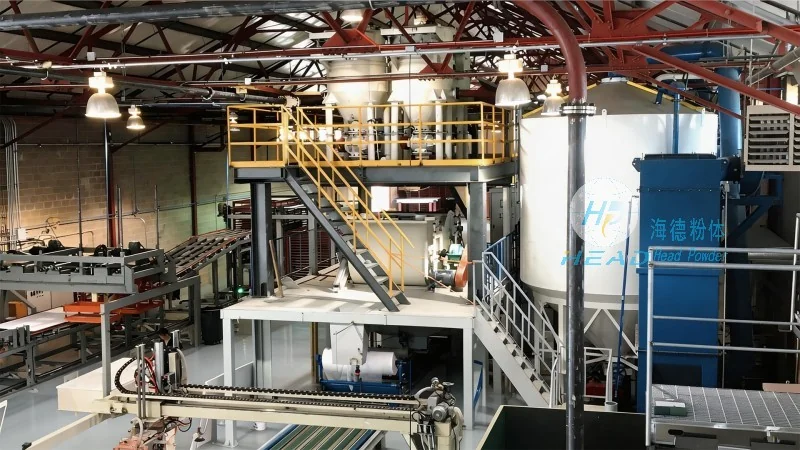
Screw conveyors are among the most widely adopted systems for silicone powder conveying due to their simplicity, durability, and versatility. These devices consist of a rotating screw (helix) housed within a cylindrical tube, which moves the powder forward through the mechanism. The screw's design allows for both horizontal and vertical transport, making them adaptable to various facility layouts. For silicone powder, which is often fine and abrasive, screw conveyors are preferred for their ability to handle dry powders without causing excessive particle attrition or degradation. The smooth internal surfaces of the conveyor tube minimize friction, preserving the powder's quality and preventing caking. Additionally, screw conveyors can operate under closed environments, effectively containing dust and ensuring compliance with industrial hygiene standards. This feature is particularly beneficial in industries such as pharmaceuticals or food processing, where silicone powder is used as an additive and strict contamination control is required.

Air-Powered Conveying Systems
Air-powered or pneumatic conveying systems utilize compressed air to transport silicone powder through a pipeline, offering a high-speed and flexible solution for powder handling. The system typically includes a hopper, a venturi tube, and a receiver, where the powder is drawn into the air stream and carried to the destination. There are two primary types of pneumatic conveying: pressure systems (which push the powder using compressed air) and vacuum systems (which pull the powder from the source). For silicone powder, pressure systems are often favored as they can handle larger volumes and longer distances with minimal pressure loss. The air flow in these systems is carefully regulated to prevent particle breakage and maintain consistent flow rates. This method is ideal for applications requiring rapid transport or when the powder needs to be delivered to multiple points in a production line. However, it's important to note that pneumatic conveying may generate more dust compared to mechanical systems, necessitating robust filtration and dust collection equipment to maintain air quality and operational safety.

Vibratory Conveyors
Vibratory conveyors employ mechanical vibrations to move silicone powder along a trough, providing an effective solution for handling cohesive or sticky powders that might clog other systems. The system consists of a trough supported by vibration motors or eccentrics, which generate a sinusoidal motion. This motion causes the powder to slide forward, similar to a conveyor belt but without the need for rollers. Vibratory conveyors are particularly effective for vertical or inclined transport, allowing for space-saving designs in facilities with limited floor space. For silicone powder, which can have varying particle sizes and moisture content, vibratory conveyors offer consistent performance by maintaining a stable conveying rate. These systems are often used in applications where the powder needs to be mixed or blended with other materials before processing. The low maintenance requirements of vibratory conveyors make them a cost-effective solution for long-term operation, as they have fewer moving parts compared to other mechanical systems.

About Shandong HeadPowder Engineering Co., Ltd.
Shandong HeadPowder Engineering Co., Ltd., operating under the brand name headpowder, specializes in the design, manufacturing, and supply of advanced conveying equipment tailored for various powder materials, including silicone powder. With a commitment to innovation and customer-centric solutions, the company has built a strong reputation in the industry. HeadPowder's facilities are located in Shandong, China, where they leverage local manufacturing expertise and resources to deliver high-quality products. The company's team of experienced engineers and technicians work closely with clients to understand their specific conveying needs and provide customized solutions. Whether it's a standard screw conveyor or a specialized pneumatic system, HeadPowder ensures that each product meets the highest standards of performance, durability, and reliability. By combining traditional engineering principles with modern technology, HeadPowder continues to enhance its conveying solutions, helping clients optimize their production processes and improve overall efficiency. The company's focus on quality and customer satisfaction has made it a trusted partner for businesses seeking reliable powder handling equipment.