

Methods for Conveying Small Gravel
When it comes to the efficient transportation of small gravel, various methods are available, each tailored to specific operational requirements and material characteristics. The choice of conveying system is critical for ensuring smooth material flow, minimizing downtime, and optimizing overall production efficiency. This article explores the primary methods used for conveying small gravel, highlighting their applications and key features.
1. Belt Conveyors for Small Gravel Transport
Belt conveyors are among the most common and versatile systems for transporting small gravel. These systems utilize a continuous belt, typically made of rubber or synthetic materials, to move materials from one point to another. The belt is supported by rollers and idlers, which reduce friction and enable the smooth movement of the gravel. For small gravel, the belt width and speed can be adjusted to accommodate different material volumes and flow rates. A key advantage of belt conveyors is their ability to handle a wide range of material sizes, including fine gravel, without causing excessive wear or blockages. They are also suitable for long-distance transport, making them ideal for mining, construction, and aggregate processing applications. The design of the belt conveyor, such as the use of idler rollers and tensioning mechanisms, ensures consistent performance and reduces maintenance needs. Additionally, belt conveyors can be equipped with accessories like feed hoppers and discharge chutes to enhance material handling capabilities. This makes them a reliable choice for continuous and high-volume small gravel transport.
2. Screw Conveyors (Auger Conveyors) for Gravel Handling
Screw conveyors, also known as auger conveyors, are another effective method for conveying small gravel. These systems consist of a rotating screw (auger) enclosed in a U-shaped or cylindrical housing. The screw rotates, pushing the gravel forward along the length of the conveyor. Screw conveyors are particularly suitable for handling dry, free-flowing materials like small gravel, as they can maintain a consistent flow without the need for external power sources beyond the motor driving the screw. The design of the screw, including its pitch and diameter, can be customized to match the specific characteristics of the gravel, ensuring optimal performance. For example, a larger pitch screw may be used for lighter materials, while a smaller pitch is suitable for denser gravel. Screw conveyors are compact and can be installed in confined spaces, making them ideal for indoor or limited-space applications. They are also relatively low-maintenance, with minimal moving parts compared to other systems. However, they may not be as effective for very fine or abrasive materials, as the screw and housing can experience wear over time. Despite this, screw conveyors remain a popular choice for small gravel transport due to their simplicity and efficiency.

3. Vibrating Conveyors for Efficient Small Gravel Transport
Vibrating conveyors represent a specialized approach to small gravel transportation, leveraging vibration to move materials along a trough or conveyor bed. These systems consist of a conveyor bed that is mounted on springs or supports and vibrated by an electric motor-driven mechanism. The vibration causes the gravel to move forward in a controlled manner, eliminating the need for gravity or external forces to drive the material. Vibrating conveyors are particularly effective for handling sticky or cohesive materials, as the vibration breaks up clumps and ensures uniform flow. For small gravel, the frequency and amplitude of the vibration can be adjusted to optimize material movement. A key advantage of vibrating conveyors is their ability to handle a wide range of material sizes and shapes, including irregularly shaped gravel. They are also suitable for inclined or horizontal transport, making them versatile for various industrial applications. The design of the vibrating conveyor, such as the use of flexible or rigid troughs, allows for customization based on the material's properties. For example, a flexible trough may be used for delicate materials, while a rigid trough is ideal for abrasive gravel. Vibrating conveyors are generally low-maintenance and can operate continuously without significant wear, provided proper maintenance is performed. They are particularly useful in environments where dust control or material separation is required, as the vibration can help keep the material in motion and reduce buildup.
4. Pneumatic Conveying Systems for Small Gravel Handling
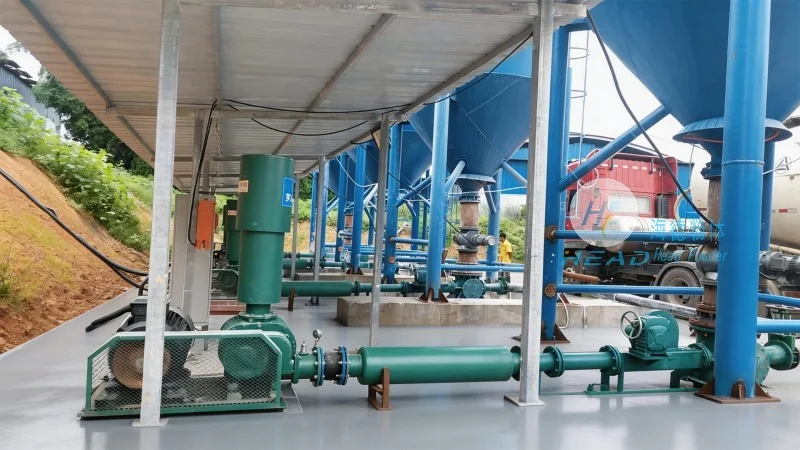
Pneumatic conveying systems use air or gas to transport small gravel through a pipeline. These systems consist of a hopper, a blower or compressor, and a pipeline network. The gravel is introduced into the hopper and then drawn into the pipeline by the air flow. The air velocity is carefully controlled to ensure the gravel moves smoothly without causing blockages or excessive wear on the pipeline. Pneumatic conveying is particularly effective for handling fine or dusty materials, as it can transport them without the need for mechanical contact. For small gravel, the system can be designed as either dense or dilute phase, depending on the material's characteristics and the required transport distance. Dense phase pneumatic conveying is suitable for longer distances and larger material volumes, while dilute phase is ideal for shorter distances and smaller quantities. A key advantage of pneumatic conveying is its ability to handle abrasive materials, as the air flow reduces wear on the pipeline and components. However, it may require more energy compared to other systems and can be more complex to install and maintain. Pneumatic systems are particularly useful in applications where dust control is critical, as the enclosed pipeline prevents dust from escaping. They are also suitable for transporting small gravel to elevated or remote locations, making them a flexible option for various industrial processes.

5. Hydraulic Conveyors for Small Gravel Transport
Hydraulic conveyors utilize water or other fluids to transport small gravel through a pipeline. These systems consist of a pump, a pipeline, and a control system. The gravel is mixed with water and then pumped through the pipeline to the destination. Hydraulic conveyors are particularly effective for handling wet or cohesive materials, as the water helps to keep the gravel in suspension and prevent blockages. For small gravel, the system can be designed with adjustable pump speeds and flow rates to control the material's movement. A key advantage of hydraulic conveyors is their ability to handle very fine or abrasive materials, as the fluid reduces wear on the pipeline and components. However, they require a constant water supply and may be less efficient for dry materials. Hydraulic systems are generally low-maintenance and can operate continuously, provided the water quality is maintained. They are particularly useful in mining and construction applications where water is readily available, as the system can be integrated with existing water sources. Hydraulic conveyors are also suitable for transporting small gravel over long distances, as the fluid provides consistent pressure and flow. Despite the need for water, they remain a viable option for certain industrial processes due to their effectiveness in handling wet or difficult-to-move materials.

6. Selection Criteria for Choosing the Right Conveying Method
When selecting a conveying method for small gravel, several factors must be considered to ensure optimal performance and efficiency. The first consideration is the material characteristics, including size, shape, and moisture content. For example, fine or irregularly shaped gravel may require a system with gentle handling, such as a belt or vibrating conveyor, to avoid damage or blockages. The second factor is the transport distance and required flow rate. Longer distances may necessitate systems like belt or pneumatic conveyors, while shorter distances can use screw or vibrating conveyors. The third factor is the operational environment, including space constraints, dust control requirements, and maintenance considerations. For example, in confined spaces, a screw or vibrating conveyor may be more suitable due to their compact design. In environments where dust control is critical, pneumatic or hydraulic systems may be preferred as they are enclosed. The fourth factor is the budget and maintenance costs. Systems like screw or vibrating conveyors are generally more cost-effective and low-maintenance, while belt or pneumatic systems may have higher upfront costs but offer greater versatility. By carefully evaluating these factors, businesses can choose the most appropriate conveying method for their small gravel transport needs, ensuring smooth operations and optimal performance.
Conclusion: Choosing the Right Conveying System for Small Gravel
In conclusion, the choice of conveying method for small gravel depends on a variety of factors, including material characteristics, transport distance, operational environment, and budget considerations. Each method has its own advantages and limitations, and the best choice will vary based on the specific application. Belt conveyors offer versatility and long-distance transport capabilities, while screw conveyors provide compact and low-maintenance solutions. Vibrating conveyors are effective for handling sticky or cohesive materials, and pneumatic and hydraulic systems offer specialized solutions for dusty or wet materials. By understanding the unique needs of the operation and evaluating the available options, businesses can select the most suitable conveying system to ensure efficient and reliable small gravel transport. The goal is to minimize downtime, reduce maintenance costs, and optimize overall production efficiency, which ultimately contributes to the success of the industrial process.