

Comparison of Common Wheat Bran Conveying Methods
Wheat bran, a byproduct of wheat milling, is widely used in the food, animal feed, and industrial sectors. Efficient and reliable conveying systems are crucial for handling this material, as it often requires specific considerations due to its physical properties. This article provides a detailed comparison of common wheat bran conveying methods, highlighting their advantages, limitations, and applications, with a focus on the expertise of Shandong HeadPowder Engineering Co., Ltd., a leading provider in the field.

Overview of Wheat Bran Conveying Systems
Wheat bran conveying involves the movement of this fine, often dusty material from one location to another within a processing facility. The choice of conveying method depends on factors such as the bran's moisture content, bulk density, flowability, and the distance it needs to be transported. Common methods include mechanical conveyors, pneumatic systems, and gravity-based solutions. Each has unique characteristics that make it suitable for different operational scenarios.
1. Screw Conveyor (Auger Conveyor) for Wheat Bran
Screw conveyors, also known as auger conveyors, are among the most widely used equipment for transporting wheat bran. These systems consist of a rotating helical screw inside a U-shaped or cylindrical trough. The screw's rotation pushes the bran forward, making it suitable for both horizontal and slight incline applications. The design is simple, requiring minimal maintenance, and can handle bran with moderate moisture levels. However, screw conveyors may experience issues with material buildup, especially if the bran is sticky or has high moisture content, which can lead to clogging. Shandong HeadPowder Engineering Co., Ltd. offers customized screw conveyor solutions tailored to the specific flow characteristics of wheat bran, ensuring smooth operation and efficient transport.

2. Bucket Elevator (Vertical Conveyor) for Wheat Bran
Bucket elevators are ideal for vertical or high-angle conveying of wheat bran, especially when the material needs to be lifted from a lower to a higher level. The system uses a series of buckets attached to a chain or belt that moves vertically. As the buckets ascend, they carry the bran to the top, where it is discharged. This method is highly efficient for vertical transport and can handle bran with varying moisture levels. The main advantage is its ability to transport bran over long vertical distances with minimal space requirements. However, bucket elevators can be more complex and expensive to install compared to other options. Shandong HeadPowder Engineering Co., Ltd. specializes in designing and manufacturing bucket elevators that are robust and reliable, ensuring consistent performance in handling wheat bran.
3. Pneumatic Conveying System for Wheat Bran
Pneumatic conveying systems use air or gas to transport wheat bran through a pipeline. This method is particularly effective for handling fine, dusty materials like wheat bran, as it can move the material without direct contact, reducing the risk of contamination and material degradation. There are two main types: pressure and vacuum systems. Pressure systems push the bran using compressed air, while vacuum systems pull it using a vacuum pump. Pneumatic conveying is suitable for long-distance horizontal or slight vertical transport and can handle bran with low moisture content. However, it may not be as efficient for very fine or cohesive bran, as it can lead to particle separation and increased wear on the system components. Shandong HeadPowder Engineering Co., Ltd. provides advanced pneumatic conveying solutions that optimize air flow and bran transport, minimizing energy consumption and ensuring consistent performance.
4. Gravity Chute for Wheat Bran
Gravity chutes rely on the natural force of gravity to move wheat bran from a higher to a lower level. The system consists of a sloped channel or pipe that allows the bran to flow down under its own weight. This method is simple, low-cost, and requires no moving parts, making it ideal for short-distance, low-volume transport of bran. However, gravity chutes are limited by the slope required for effective flow and are not suitable for bran with high moisture content or fine particles that may stick to the chute walls. Shandong HeadPowder Engineering Co., Ltd. designs gravity chute systems that maximize the effective slope and material flow, ensuring reliable operation for specific applications.
Key Considerations for Selecting a Wheat Bran Conveying Method
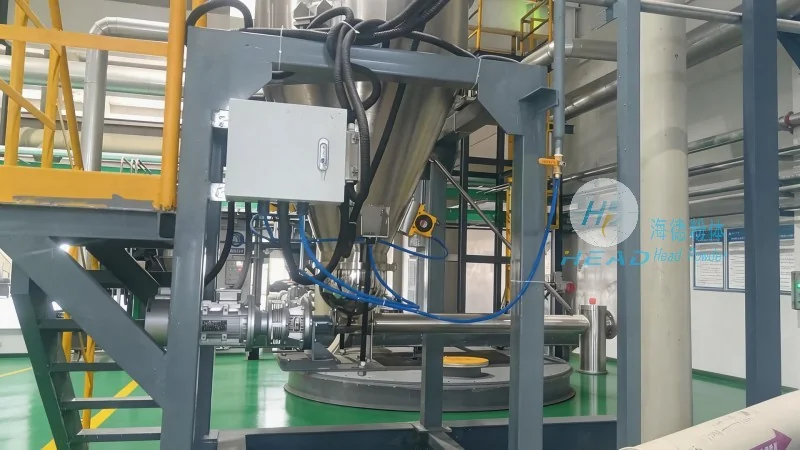
When choosing a conveying method for wheat bran, several factors must be considered to ensure optimal performance and efficiency. The first is the bran's physical properties, such as moisture content, bulk density, and flowability. High moisture content can make bran sticky and difficult to handle, affecting the performance of mechanical conveyors. Bulk density and flowability influence the required conveyor capacity and speed. The second factor is the distance and elevation change needed for transport. Short horizontal distances may be suitable for screw conveyors, while long vertical or horizontal distances may require pneumatic or bucket elevators. The third factor is the operational environment, including space constraints, noise requirements, and maintenance capabilities. For example, pneumatic systems may be preferred in clean environments where dust control is critical, while mechanical systems are more suitable for industrial settings with higher dust tolerance. Shandong HeadPowder Engineering Co., Ltd. assists clients in evaluating these factors and selecting the most appropriate conveying method for their wheat bran handling needs, ensuring cost-effective and reliable solutions.
Conclusion
Efficient wheat bran conveying is essential for optimizing the processing and utilization of this valuable byproduct. The choice of conveying method depends on a combination of material properties, operational requirements, and cost considerations. Screw conveyors offer simplicity and reliability for moderate transport needs, while bucket elevators excel in vertical transport. Pneumatic systems provide dust-free and flexible solutions for long-distance transport, and gravity chutes are suitable for short, low-cost applications. Shandong HeadPowder Engineering Co., Ltd., with its expertise in wheat bran handling systems, provides tailored solutions that address the unique challenges of conveying wheat bran. By understanding the advantages and limitations of each method, processors can select the most appropriate system to enhance their operational efficiency and productivity.