

Principle and Working Scene Characteristics of Soybean Feed Material Conveying Lines
HeadPowder, a leading engineering company based in Shandong, China, specializes in the design and manufacturing of advanced conveying systems tailored for the feed industry. This article explores the fundamental principles and operational characteristics of soybean feed material conveying lines, highlighting their efficiency and adaptability in modern feed processing facilities.

Company Profile and Expertise
HeadPowder Engineering Co., Ltd. is a reputable enterprise dedicated to providing high-quality engineering solutions for the agricultural and feed processing sectors. With a strong presence in Shandong, China, the company leverages its extensive experience to develop customized conveying systems that meet the specific needs of clients in the feed industry. The company’s commitment to innovation and precision ensures that its products are reliable, durable, and efficient, contributing to enhanced productivity in feed processing operations.
The Core Principle of Soybean Feed Material Conveying Lines
The soybean feed material conveying line operates on the principle of mechanical transport, utilizing a combination of components to move raw materials, including soybeans and other feed ingredients, from storage to processing units. The system typically consists of several key elements: a feeding hopper to collect and distribute the material, a conveyor mechanism (such as belt conveyors, screw conveyors, or pneumatic systems) to transport the material horizontally or vertically, and a control system to regulate the flow and speed of the material. The feeding hopper ensures that the material is evenly distributed, preventing blockages and ensuring consistent feed rates. The conveyor mechanism, selected based on the material's properties and the required transport distance, efficiently moves the material with minimal loss or degradation. The control system, often integrated with sensors and automation technology, monitors the process, adjusts parameters in real-time, and maintains optimal performance, thereby maximizing the efficiency of the conveying operation.
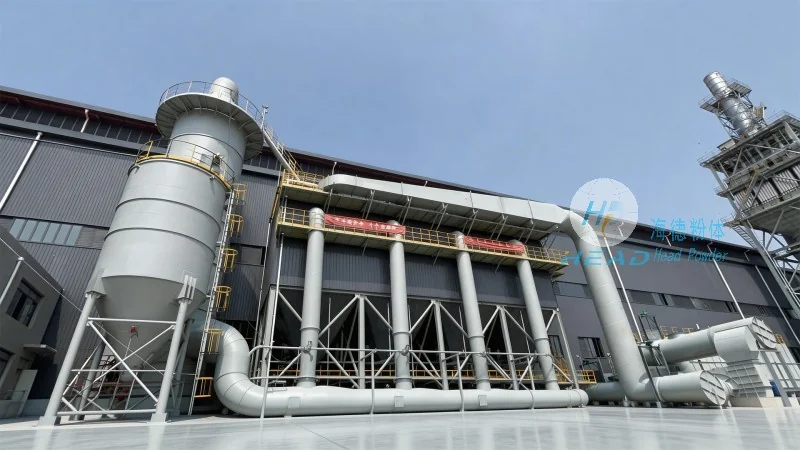
Working Scene Characteristics: Adaptability and Efficiency
The working scene characteristics of soybean feed material conveying lines are defined by their adaptability to diverse feed processing environments and their ability to enhance operational efficiency. These systems are commonly employed in large-scale feed mills and processing plants where soybeans are a primary ingredient. The key characteristics include: 1. **Versatility in Material Handling**: The conveying lines can handle various feed materials, including raw soybeans, soybean meal, and other additives, with different moisture contents and particle sizes. This versatility allows for seamless integration into existing feed production lines. 2. **High Throughput and Reliability**: Designed to handle high volumes of material, these systems ensure continuous operation with minimal downtime. The robust construction and advanced control systems minimize the risk of breakdowns, ensuring consistent feed supply to downstream processing units. 3. **Space Efficiency**: The modular design of the conveying lines allows for flexible installation in confined spaces, making them suitable for both new and existing feed processing facilities. This space-saving feature is particularly valuable in urban or industrial areas where land is limited. 4. **Energy Efficiency**: Modern conveying systems incorporate energy-saving technologies, such as variable frequency drives (VFDs) and optimized conveyor speeds, reducing energy consumption while maintaining performance. This not only lowers operational costs but also aligns with sustainability goals in the feed industry. 5. **Safety and Hygiene Compliance**: The materials used in the construction of the conveying lines, such as stainless steel and food-grade components, meet strict hygiene standards, ensuring that the feed remains clean and free from contamination. This is crucial for maintaining product quality and meeting regulatory requirements. 6. **Scalability**: The conveying lines can be scaled up or down to accommodate changes in production capacity, allowing feed processing plants to expand or adjust their operations as needed. This flexibility ensures long-term investment value and adaptability to market demands.

Application Examples in Feed Processing
Soybean feed material conveying lines are widely used in various stages of feed production, from raw material intake to final product packaging. For instance, in a typical soybean feed mill, the conveying line may start with a raw soybean storage silo, where the soybeans are stored in bulk. The material is then transferred to a cleaning and conditioning unit, where it is cleaned, dried, and prepared for processing. The conveying line then transports the conditioned soybeans to a grinding or crushing unit, where they are converted into soybean meal or other feed ingredients. The system may also include secondary conveying lines to transport additives, such as vitamins, minerals, or preservatives, to mixing and blending units. The final product, a balanced feed mixture, is then conveyed to storage silos or packaging lines. In each stage, the conveying line plays a critical role in ensuring that the material is transported efficiently and without degradation, contributing to the overall quality and consistency of the final feed product.
Conclusion: Enhancing Feed Processing with Advanced Conveying Solutions
HeadPowder Engineering Co., Ltd. provides comprehensive solutions for soybean feed material conveying lines, combining advanced engineering principles with practical application expertise. By understanding the specific requirements of feed processing facilities, the company designs and manufactures conveying systems that optimize material handling, improve operational efficiency, and ensure product quality. The adaptability, reliability, and efficiency of these systems make them indispensable in modern feed production, supporting the growth and sustainability of the feed industry. With a strong commitment to innovation and customer satisfaction, HeadPowder continues to lead the way in providing advanced conveying solutions for the agricultural and feed processing sectors.