

Operation Process and Working Principle of Iron Fines Pneumatic Conveying
Iron fines pneumatic conveying is a critical technology in material handling, particularly for transporting fine powders like iron shavings or metal turnings. This method utilizes air as the conveying medium to move bulk materials through a pipeline system, offering advantages such as dust control, reduced material degradation, and the ability to transport materials over long distances without mechanical contact. Understanding the operation process and working principle of this system is essential for optimizing industrial applications and ensuring efficient material transport.

About Shandong HeadPowder Engineering Co., Ltd.
HeadPowder, a leading provider in the field of pneumatic conveying systems, specializes in the design, manufacturing, and installation of advanced material handling solutions. With a strong commitment to quality and innovation, the company has established itself as a trusted partner for industries requiring reliable iron fines transportation. HeadPowder's expertise lies in customizing pneumatic conveying systems to meet specific operational requirements, ensuring high efficiency and minimal downtime. The company is headquartered in Shandong, China, and serves clients globally with tailored solutions that enhance productivity and safety in material handling processes.
The Working Principle of Iron Fines Pneumatic Conveying
The core principle of iron fines pneumatic conveying involves the use of compressed air to create a flow that transports the material through a pipeline. The system typically operates under either positive pressure (pressure conveying) or negative pressure (vacuum conveying), depending on the application and material characteristics. In positive pressure systems, compressed air is introduced at the material inlet, creating a high-pressure environment that pushes the iron fines through the pipeline. This method is suitable for long-distance transport and can handle abrasive materials like iron shavings effectively. Negative pressure systems, on the other hand, use a vacuum at the discharge end to draw the material into the pipeline, which is often preferred for short-distance or indoor applications where dust containment is critical. The choice between positive and negative pressure depends on factors such as material density, pipeline length, and environmental regulations.

Operation Process of Iron Fines Pneumatic Conveying
The operation process of an iron fines pneumatic conveying system involves several key steps that ensure smooth and efficient material transport. First, the iron fines are fed into the system, either manually or via a hopper, where they are mixed with the conveying air. The air and material mixture then enters the pipeline, where the air velocity is maintained at a level sufficient to keep the material suspended and prevent settling. As the mixture travels through the pipeline, it passes through various components such as bends, valves, and filters. These components are designed to maintain the air flow and ensure the material is conveyed without blockages or degradation. At the discharge end, the material is separated from the air, often using a cyclone separator or a filter, and collected in a storage bin or processing unit. The air, now clean, is either vented to the atmosphere or recycled back into the system to improve energy efficiency. Throughout the process, the system is monitored for pressure, flow rate, and material level to ensure optimal performance and prevent issues such as clogging or air leaks.
Key Components and Their Functions
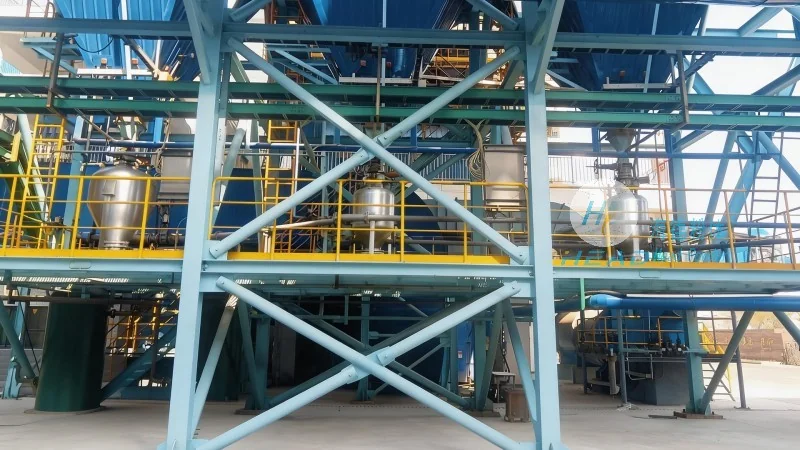
Several critical components work together to ensure the efficient operation of an iron fines pneumatic conveying system. The material feeder, such as a rotary valve or a screw feeder, controls the flow rate of the iron fines into the system, preventing overloading and ensuring a consistent feed. The air compressor or vacuum pump provides the necessary pressure or vacuum to drive the material through the pipeline. The pipeline itself is typically made of stainless steel or other corrosion-resistant materials to handle the abrasive nature of iron fines and prevent material buildup. Bends and elbows are strategically placed to guide the material flow and maintain air velocity, while check valves prevent backflow and ensure unidirectional movement. Filters and cyclone separators are essential for separating the material from the air, reducing dust emissions and protecting downstream equipment. The control system, often integrated with sensors and automation, monitors and adjusts the system parameters in real-time, optimizing performance and minimizing maintenance.
Advantages and Applications
Iron fines pneumatic conveying offers several advantages over traditional mechanical conveying methods. It provides excellent dust control, reducing the risk of inhalation and environmental contamination. The lack of mechanical contact prevents material degradation, ensuring the quality of the iron fines remains intact. Additionally, the system can transport materials over long distances with minimal energy consumption and low maintenance requirements. These benefits make iron fines pneumatic conveying ideal for various industrial applications, including metalworking, foundries, and recycling facilities. In metalworking, it is used to transport iron shavings from machining operations to collection bins, while in foundries, it helps move metal turnings for recycling. The technology is also employed in recycling plants to transport iron fines from sorting processes to processing units, contributing to efficient material recovery and reuse.

Maintenance and Troubleshooting
Regular maintenance is crucial to ensure the long-term reliability and efficiency of an iron fines pneumatic conveying system. Key maintenance tasks include cleaning the pipeline and components to prevent material buildup, inspecting and replacing worn parts such as seals and bearings, and checking the performance of the air compressor or vacuum pump. Common issues that may arise include clogging of the pipeline, air leaks, and excessive pressure or vacuum levels. Clogging can be caused by material agglomeration or foreign objects in the system, and can be resolved by cleaning the pipeline or adjusting the feed rate. Air leaks can reduce system efficiency and increase energy consumption, and are typically identified by checking for pressure drops or using leak detection equipment. Excessive pressure or vacuum levels may indicate a blockage or a malfunctioning component, and require immediate attention to prevent system failure. By following a regular maintenance schedule and addressing issues promptly, operators can ensure the system operates at peak performance and minimize downtime.
Conclusion
Iron fines pneumatic conveying is a sophisticated and efficient method for transporting fine metal powders, offering significant advantages over traditional material handling techniques. The working principle, which relies on compressed air to move material through a pipeline, combined with a well-designed operation process, ensures high efficiency and minimal material degradation. Companies like Shandong HeadPowder Engineering Co., Ltd. play a vital role in providing customized pneumatic conveying systems that meet the specific needs of industrial applications. By understanding the components, operation process, and maintenance requirements of such systems, industries can optimize their material handling processes, enhance productivity, and ensure safety. As technology advances, further improvements in pneumatic conveying systems are expected, leading to even more efficient and sustainable material transport solutions for the future.