

Operation Process and Working Principle of Lithium-Ion Battery Positive Electrode Material Conveying
HeadPowder, a leading enterprise in the field of material handling solutions, specializes in the design, manufacturing, and integration of advanced conveying systems tailored for lithium-ion battery production lines. This article provides a detailed overview of the operation process and working principles of the material conveying system used for lithium-ion battery positive electrode materials, highlighting the key components, operational steps, and technical aspects that ensure efficient and reliable material transport in battery manufacturing facilities.

Company Profile and Core Competence
HeadPowder Engineering Co., Ltd., headquartered in Shandong, China, is a professional manufacturer dedicated to providing high-quality material conveying equipment for the battery industry. With years of experience and a strong technical team, the company focuses on developing customized solutions that meet the specific requirements of lithium-ion battery manufacturers. The company's expertise lies in understanding the unique challenges of handling fine powders and granules used in battery positive electrode production, ensuring that the conveying systems are designed to maintain material integrity, minimize dust generation, and enhance overall production efficiency.
Overview of Lithium-Ion Battery Positive Electrode Material Conveying System
The material conveying system for lithium-ion battery positive electrode materials is a critical component in the battery production process. It is responsible for transporting raw materials such as nickel, cobalt, manganese, and lithium compounds from storage silos or hoppers to the mixing and coating lines. The system must be capable of handling various forms of materials, including powders, granules, and slurry, while maintaining precise control over flow rates and material consistency. This ensures that the positive electrode materials are delivered to the next production stage in the correct proportions and quality, which directly impacts the performance and safety of the final battery products.
Key Components of the Conveying System
The lithium-ion battery positive electrode material conveying system typically consists of several key components that work in concert to achieve efficient material transport. These components include feeders, conveyors, storage hoppers, and control systems. Each component plays a vital role in the overall operation of the system.
Feeder Systems
Feeder systems are the initial components that control the flow of material from the storage silos into the conveying line. They are designed to regulate the material flow rate accurately, ensuring that the correct amount of material is fed into the conveyor at a consistent rate. Common types of feeders used in this application include screw feeders, vibratory feeders, and rotary valves. These feeders are equipped with sensors and control mechanisms that adjust the flow rate based on real-time production demands and material characteristics. The feeder systems are crucial for maintaining the stability of the material flow and preventing overloading or underloading of the conveyor, which could lead to production bottlenecks or material waste.
Conveyor Types and Their Applications
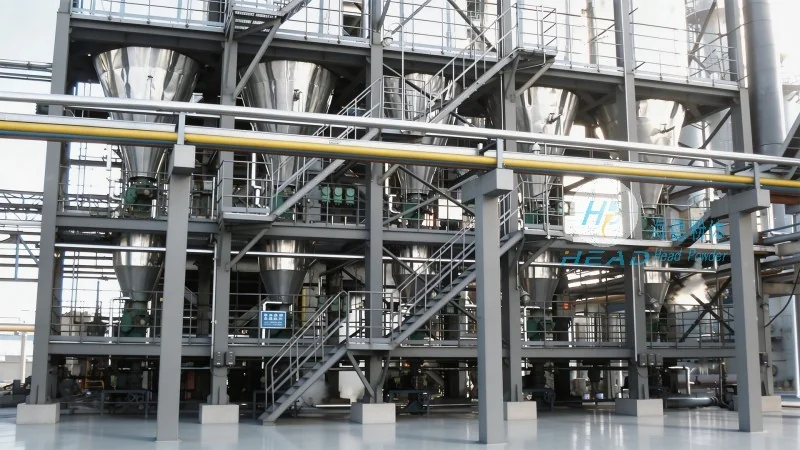
Various types of conveyors are employed in the positive electrode material conveying system, each suited to different material properties and production requirements. The most common types include belt conveyors, pneumatic conveying systems, and screw conveyors. Belt conveyors are widely used for transporting bulk materials over short to medium distances, providing a reliable and cost-effective solution for moving powders and granules. Pneumatic conveying systems, on the other hand, use air pressure to transport materials in a closed pipeline, which is particularly effective for handling fine powders and preventing dust contamination. Screw conveyors are used for vertical or inclined material transport, offering a compact design that is suitable for limited space applications. The selection of the appropriate conveyor type depends on factors such as material density, particle size, moisture content, and the required conveying distance. HeadPowder engineers carefully evaluate these factors to recommend the most suitable conveyor system for each client's specific needs.
Storage and Conditioning Hoppers
Storage hoppers are used to temporarily hold the positive electrode materials before they are conveyed to the production lines. These hoppers are designed with a sloped bottom to facilitate material discharge and are equipped with level sensors to monitor the material inventory. The hoppers may also include conditioning sections, such as agitators or mixers, to ensure that the material is well-mixed and free from clumps or agglomerates. This conditioning step is essential for maintaining the uniformity of the material, which is critical for achieving consistent battery performance. The hoppers are typically made of stainless steel or other corrosion-resistant materials to prevent material contamination and ensure long-term durability.
Control and Monitoring Systems
The operation of the material conveying system is managed by advanced control and monitoring systems that ensure optimal performance and safety. These systems include programmable logic controllers (PLCs), human-machine interfaces (HMIs), and various sensors such as pressure sensors, flow meters, and level detectors. The PLCs control the operation of the feeders, conveyors, and other components based on pre-programmed logic and real-time data from the sensors. The HMIs provide operators with a user-friendly interface to monitor the system status, adjust parameters, and receive alerts in case of abnormalities. The control system also includes safety features such as emergency stop buttons and interlocks to prevent accidents and ensure compliance with safety regulations. By integrating these advanced control and monitoring systems, HeadPowder ensures that the material conveying process is automated, efficient, and reliable, minimizing human intervention and reducing the risk of errors.

Operation Process of the Conveying System
The operation process of the lithium-ion battery positive electrode material conveying system involves several sequential steps that ensure the smooth and continuous transport of materials from storage to the production lines. The process begins with the material being discharged from the storage silos into the feeders. The feeders then regulate the flow rate and feed the material into the conveyor. The conveyor transports the material to the storage hoppers, where it is temporarily held and conditioned. From the hoppers, the material is then conveyed to the mixing and coating lines for further processing. The entire process is controlled by the central control system, which monitors the flow rates, material levels, and system status in real time. The system is designed to operate continuously, with minimal downtime for maintenance or material replenishment. HeadPowder's engineers have optimized the operation process to minimize material loss, reduce energy consumption, and maximize production throughput. The system can be adjusted to accommodate varying production schedules and material requirements, ensuring flexibility and adaptability in battery manufacturing operations.
Working Principles of the Conveying System
The working principles of the lithium-ion battery positive electrode material conveying system are based on the fundamental principles of material handling and fluid dynamics. The system operates by converting the potential energy of the material (stored in the storage silos) into kinetic energy through the action of the feeders and conveyors. The feeders use mechanical or pneumatic forces to move the material from the storage hoppers into the conveying line. The conveyors then use gravity, air pressure, or mechanical power to transport the material along the designated path. The control system ensures that the material flow is consistent and controlled, preventing overloading or underloading of the system components. The system also incorporates features such as material conditioning and dust suppression to maintain the quality and safety of the transported materials. By understanding and applying these working principles, HeadPowder has developed highly efficient and reliable conveying systems that meet the stringent requirements of the lithium-ion battery industry.
Advantages of HeadPowder's Conveying Solutions
HeadPowder's material conveying solutions for lithium-ion battery positive electrode materials offer several advantages that make them ideal for battery manufacturers. These advantages include high material handling capacity, precise flow control, minimal material loss, and low energy consumption. The systems are designed to handle a wide range of materials, including fine powders and granules, while maintaining material integrity and preventing contamination. The advanced control systems ensure that the operation is automated and reliable, reducing the need for manual intervention and minimizing the risk of errors. The use of corrosion-resistant materials and dust suppression features ensures that the system is durable and safe for long-term operation. HeadPowder also provides comprehensive after-sales support, including maintenance, repair, and technical assistance, to ensure that the conveying systems continue to operate at optimal performance levels. By choosing HeadPowder's conveying solutions, battery manufacturers can improve their production efficiency, reduce costs, and enhance the quality and safety of their battery products.
Conclusion
The operation process and working principles of the lithium-ion battery positive electrode material conveying system are critical to the success of battery manufacturing operations. HeadPowder Engineering Co., Ltd., with its headquarters in Shandong, China, has developed advanced and reliable conveying systems that meet the specific needs of the battery industry. By understanding the key components, operation steps, and working principles of the system, battery manufacturers can optimize their production processes and improve overall efficiency. HeadPowder's commitment to quality, innovation, and customer satisfaction has made it a trusted partner in the battery industry, providing solutions that help manufacturers achieve their production goals and stay competitive in the market.