

Introduction to Polyethylene Resin Powder Pneumatic Conveying Equipment and Its Structural Principle
HeadPowder, a leading manufacturer based in Shandong, China, specializes in the design and production of advanced pneumatic conveying systems tailored for polyethylene resin powder applications. This article provides an overview of the polyethylene resin powder pneumatic conveying equipment, detailing its structural components and operational principles to help users understand its functionality and benefits.
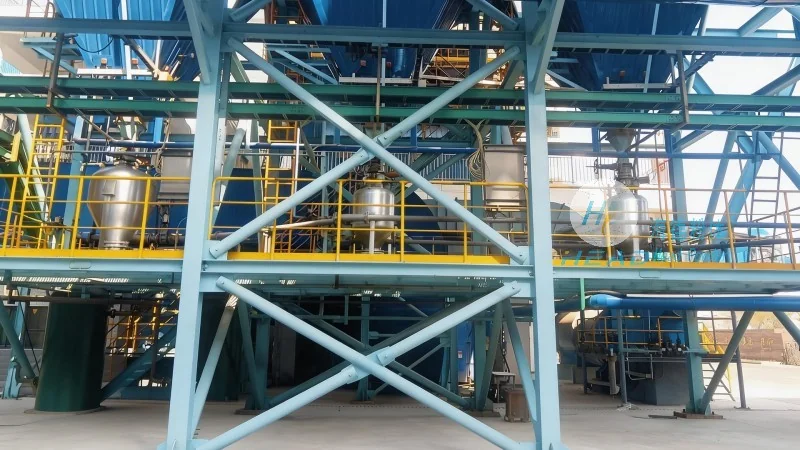
Polyethylene Resin Powder Pneumatic Conveying Equipment: An Overview
Polyethylene resin powder pneumatic conveying equipment is a critical piece of industrial machinery used to transport polyethylene resin powders efficiently and safely over long distances. This system is particularly valuable in manufacturing environments where traditional bulk material handling methods may be impractical or inefficient. The equipment operates by using compressed air or other gas to create a flow of air that moves the polyethylene resin powder through a pipeline network. This method offers advantages such as reduced material degradation, minimal product contamination, and the ability to handle materials in a closed system, which is essential for maintaining product quality and safety.
Key Structural Components of the Pneumatic Conveying System
The polyethylene resin powder pneumatic conveying system consists of several key components that work in tandem to ensure effective material transport. These components include the material feed hopper, which holds the polyethylene resin powder and controls the flow rate; the air supply unit, which generates the necessary pressure and volume of air; the conveying pipeline, which transports the powder and air mixture; and the discharge unit, which releases the material at the destination point. Additionally, the system may incorporate components such as filters, cyclones, and pressure regulators to maintain optimal performance and prevent system failures.

Operational Principles and Working Mechanism
The operational principle of the polyethylene resin powder pneumatic conveying equipment is based on the fundamental concept of fluidization and pneumatic transport. When compressed air is introduced into the material feed hopper, it creates a low-pressure zone that draws the polyethylene resin powder into the conveying pipeline. The air flow then carries the powder particles through the pipeline, maintaining a consistent velocity to prevent particle deposition or clogging. The system's design ensures that the air-to-material ratio is carefully controlled to achieve efficient transport without excessive energy consumption. This balance is crucial for maintaining the integrity of the polyethylene resin powder, as excessive air flow can cause particle attrition or degrade the material's properties.

Advantages and Applications of the Equipment
The polyethylene resin powder pneumatic conveying equipment offers numerous advantages over traditional material handling methods. These benefits include improved product quality by minimizing exposure to moisture, dust, and contaminants; enhanced safety by operating in a closed system, reducing the risk of dust explosions or environmental contamination; and increased operational efficiency through automated control and reduced labor requirements. The equipment is widely used in various industries, including plastics manufacturing, chemical processing, and food processing, where the handling of polyethylene resin powders is essential. Its ability to transport materials over long distances without the need for manual handling or intermediate storage makes it a preferred choice for large-scale production facilities.

Maintenance and Operational Considerations
To ensure the longevity and optimal performance of the polyethylene resin powder pneumatic conveying equipment, regular maintenance is essential. This includes inspecting and cleaning the conveying pipeline and components to prevent clogging or blockages; checking and maintaining the air supply unit to ensure consistent pressure and flow; and monitoring the system's performance to detect any signs of wear or degradation. Proper maintenance not only extends the equipment's lifespan but also ensures consistent material transport and product quality. Additionally, operators should be trained on the proper operation and safety protocols of the system to prevent accidents and ensure compliance with industry regulations.
Conclusion
HeadPowder's polyethylene resin powder pneumatic conveying equipment represents a sophisticated solution for the efficient and safe handling of polyethylene resin powders. By understanding its structural components and operational principles, users can appreciate the benefits of this technology and make informed decisions about its application in their industrial processes. The equipment's design and functionality align with modern manufacturing needs, offering improved productivity, product quality, and operational safety. As a leading manufacturer based in Shandong, China, HeadPowder continues to innovate and provide high-quality pneumatic conveying systems that meet the evolving demands of the industry.