

Introduction to Rice Handling Systems and the Advantages of Pneumatic Rice Conveying
HeadPowder, a leading provider of agricultural processing solutions, specializes in advanced rice handling systems. This article provides an overview of rice handling systems and highlights the key advantages of pneumatic conveying technology in rice processing operations.

Understanding Rice Handling Systems
Rice handling systems are essential for the efficient processing of rice from the field to the market. These systems integrate various components to ensure the safe, clean, and efficient movement of rice grains. A typical rice handling system includes equipment such as cleaners, graders, and conveyors, all working in tandem to optimize the processing workflow. The design of these systems is tailored to meet the specific needs of rice processing facilities, whether for small-scale operations or large industrial plants.
The Advantages of Pneumatic Rice Conveying
Pneumatic conveying, also known as air conveying, is a widely adopted method for transporting rice due to its numerous benefits. Unlike traditional mechanical conveyors, pneumatic systems use air pressure to move rice grains, offering several advantages that enhance operational efficiency and product quality. One of the primary benefits is the ability to handle delicate rice grains without causing damage, which is crucial for maintaining the grain's integrity and market value. Additionally, pneumatic conveying systems are highly flexible, allowing for vertical, horizontal, or inclined transport of rice, making them suitable for complex processing layouts.

Another significant advantage is the reduced risk of contamination and cross-contamination. Pneumatic systems are enclosed, which helps prevent the entry of foreign materials and maintains a clean environment. This is particularly important in food processing industries where hygiene standards are stringent. Furthermore, pneumatic conveying can handle a wide range of rice types and sizes, including broken grains and whole kernels, ensuring that all products are processed uniformly. The system's ability to handle varying grain densities and moisture levels also contributes to its versatility.
Key Features of Pneumatic Rice Conveying Systems
HeadPowder's pneumatic rice conveying systems are engineered with advanced features to maximize performance and reliability. These systems typically include components such as air locks, cyclones, and rotary valves, which work together to ensure smooth and continuous operation. The air locks prevent backflow and maintain a consistent flow of rice, while the cyclones separate the conveyed material from the air, ensuring that only rice particles are transported. The rotary valves provide a controlled discharge of rice, preventing spillage and maintaining a clean working environment.

The systems are also equipped with adjustable air pressure controls, allowing operators to optimize the conveying speed based on the rice characteristics and system requirements. This flexibility ensures that the system can handle different loads and processing speeds without compromising efficiency. Furthermore, the use of high-quality materials, such as stainless steel, ensures durability and resistance to corrosion, which is essential for long-term operation in agricultural processing environments.
Applications and Benefits in Rice Processing
Pneumatic rice conveying systems are widely used in various stages of rice processing, from raw material handling to final product packaging. In the initial stages, these systems are used to transport harvested rice from storage bins to processing plants, ensuring a continuous supply of raw material. During processing, pneumatic conveyors are employed to move rice through cleaning, sorting, and milling operations, facilitating the transition between different processing steps. The systems also play a crucial role in transporting finished rice products to packaging lines, where they are prepared for distribution.
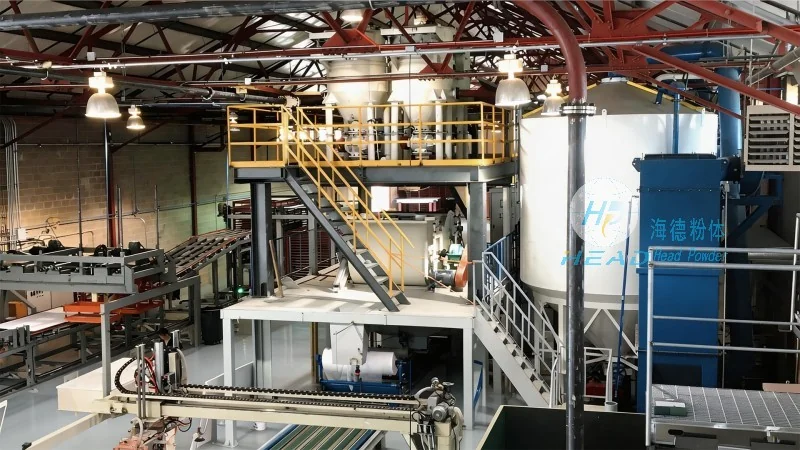
The benefits of using pneumatic conveying in rice processing extend beyond operational efficiency. By reducing labor costs and minimizing equipment wear, these systems contribute to lower overall processing costs. The enclosed design also helps in maintaining a controlled environment, which is vital for preserving the quality and freshness of rice products. This is particularly important for premium rice varieties that command higher market prices.
Conclusion
HeadPowder's rice handling systems, particularly the pneumatic conveying solutions, offer significant advantages in modern rice processing operations. By leveraging advanced technology and engineering expertise, these systems enhance productivity, maintain product quality, and ensure compliance with industry standards. For businesses looking to optimize their rice processing capabilities, pneumatic conveying systems provide a reliable and efficient solution. With a commitment to quality and innovation, HeadPowder continues to be a trusted partner in the agricultural processing industry, delivering solutions that meet the evolving needs of rice producers and processors.