

Potash Fertilizer Transport: Positive Pressure vs. Negative Pressure - How to Differentiate?
When it comes to transporting potash fertilizer, selecting the right method is crucial for efficiency, safety, and cost-effectiveness. Two primary approaches are widely used: positive pressure transport and negative pressure transport. Understanding the differences between these systems is essential for making an informed decision that aligns with operational needs. This article explores the key aspects of both methods and provides guidance on how to distinguish between them.

Introduction to Potash Fertilizer Transport Methods
Potash, a vital component in modern agriculture, requires specialized handling due to its granular nature and potential for dust generation. The choice of transport system directly impacts the integrity of the product, the efficiency of the process, and the overall safety of the operation. Positive pressure and negative pressure systems represent two distinct approaches to managing the movement of potash fertilizer, each with its own set of advantages and considerations.
Positive Pressure Transport Systems
Positive pressure transport involves the use of compressed air or gas to push the potash fertilizer through a pipeline or conveyor system. This method ensures a continuous flow of material by maintaining a positive pressure within the system, preventing air ingress and minimizing the risk of dust contamination. The primary benefit of positive pressure is its ability to handle abrasive materials like potash without causing excessive wear on equipment. Additionally, it allows for precise control over the flow rate and pressure, which is critical for maintaining product quality and preventing clogging.
Companies like Shandong HeadPowder Engineering Co., Ltd., a leading provider in the field, offer advanced positive pressure transport solutions. Their systems are designed to handle high volumes of potash while ensuring minimal product degradation. The engineering expertise of HeadPowder ensures that their equipment is built to withstand the harsh conditions associated with potash handling, providing reliable performance over extended periods.
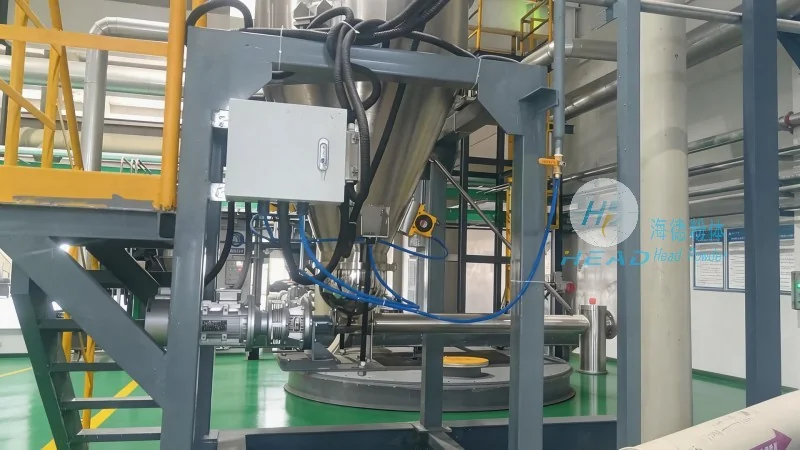
Negative Pressure Transport Systems
Conversely, negative pressure transport relies on creating a vacuum or negative pressure within the system to draw the potash fertilizer into the transport line. This method is often used in applications where the material is already in a relatively dry state and where dust control is a priority. By pulling the material rather than pushing it, negative pressure systems can reduce the mechanical stress on the product and the equipment, potentially extending the lifespan of the machinery.
However, negative pressure transport may be less efficient for handling very fine or cohesive potash particles, as the vacuum can sometimes lead to uneven flow or increased dust generation if not properly managed. The system also requires careful maintenance to prevent air leaks, which could compromise the vacuum and reduce transport efficiency.
Distinguishing Between Positive and Negative Pressure Systems
Choosing between positive and negative pressure transport for potash fertilizer depends on several factors, including the specific characteristics of the material, the distance of transport, and the available infrastructure. Here are key considerations to help differentiate between the two:

1. Material Properties and Flow Characteristics Potash fertilizer can vary in particle size and moisture content, which affects its flowability. Positive pressure systems are generally better suited for materials that are more abrasive or have higher moisture content, as they can maintain consistent flow without the risk of clogging. Negative pressure systems may be preferred for drier, more cohesive materials where the vacuum helps to keep particles in suspension.
2. Dust Control Requirements Both systems aim to minimize dust, but the approach differs. Positive pressure systems use sealed pipelines to contain dust, while negative pressure systems rely on the vacuum to draw material into the line, potentially reducing external dust exposure. However, negative pressure systems may require additional filtration to prevent dust from escaping into the environment.
3. Energy Consumption and Operational Costs Positive pressure systems typically consume more energy due to the need for compressed air or gas, which can increase operational costs over time. Negative pressure systems, while potentially more energy-efficient, may require more robust vacuum pumps and maintenance to ensure consistent performance.

4. Infrastructure and Installation The existing infrastructure at the site plays a significant role in the decision. Positive pressure systems may be easier to integrate with existing compressed air networks, whereas negative pressure systems might require additional vacuum equipment and ductwork.
Conclusion and Recommendations
Ultimately, the choice between positive and negative pressure transport for potash fertilizer should be based on a thorough evaluation of the specific operational requirements and constraints. Positive pressure systems offer robustness and control, making them ideal for high-volume or challenging applications. Negative pressure systems, on the other hand, provide a gentler handling approach that may be better suited for certain material types or where dust control is paramount.
Shandong HeadPowder Engineering Co., Ltd. specializes in providing tailored transport solutions that address the unique needs of potash fertilizer handling. Their expertise in both positive and negative pressure systems allows them to recommend the most suitable approach for each client, ensuring optimal performance and efficiency. With a focus on quality and reliability, HeadPowder continues to be a trusted partner in the agricultural fertilizer industry.