

Technical Analysis of Artificial Graphite Pneumatic Conveying Systems: Comparison of Positive Pressu
Artificial graphite is a critical material in various industrial applications, and the efficient handling of this material often relies on pneumatic conveying systems. Pneumatic conveying technology offers a versatile solution for transporting bulk materials like artificial graphite, providing advantages such as dust-free operation, reduced maintenance, and the ability to handle materials in a closed system. This article delves into the technical aspects of artificial graphite pneumatic conveying systems, focusing on the comparison between positive pressure and negative pressure delivery modes, as offered by Shandong HeadPowder Engineering Co., Ltd., a leading provider in the field.

Understanding Pneumatic Conveying Modes
Pneumatic conveying systems operate by using air or gas to transport solid materials through a pipeline. The two primary modes of operation are positive pressure and negative pressure, each with distinct characteristics and applications. Positive pressure systems generate air pressure above atmospheric levels to push material through the system, while negative pressure systems create a vacuum to draw material into the system. The choice between these modes depends on factors such as material properties, system layout, and operational requirements.
Positive Pressure Pneumatic Conveying Systems
Positive pressure systems are commonly used for artificial graphite handling due to their ability to handle abrasive materials and provide consistent flow rates. In a positive pressure setup, a blower or compressor generates high-pressure air that propels the material through the pipeline. The system typically includes a hopper, feeder, and conveying line, with the material being drawn from the hopper and mixed with air in a venturi or other mixing device. This mode is particularly effective for short to medium distance conveying and for materials that are prone to caking or bridging. Shandong HeadPowder Engineering Co., Ltd. specializes in designing positive pressure systems that ensure reliable and efficient transport of artificial graphite, minimizing downtime and maximizing productivity.

Negative Pressure Pneumatic Conveying Systems
Negative pressure systems, also known as vacuum conveying, create a vacuum in the conveying line to draw material from the source. This mode is often preferred for applications requiring gentle material handling, such as when dealing with fine powders or materials that are sensitive to pressure changes. The system includes a vacuum pump, a hopper, and a filter to collect the material at the destination. Negative pressure conveying is suitable for longer distances and for materials that are light or have low bulk density. However, it may be less efficient for highly abrasive materials and can require more maintenance due to the vacuum components.

Key Technical Considerations for Artificial Graphite Conveying
When designing a pneumatic conveying system for artificial graphite, several technical factors must be considered to ensure optimal performance. Material properties, such as particle size, density, and abrasiveness, play a crucial role in determining the appropriate conveying velocity and system pressure. The system layout, including the number of bends, vertical lifts, and horizontal runs, affects the overall pressure drop and energy consumption. Additionally, the choice of equipment, such as the type of blower or vacuum pump, and the material of construction for the conveying line (e.g., stainless steel or special alloys) are critical for withstanding the abrasive nature of artificial graphite and preventing material degradation.
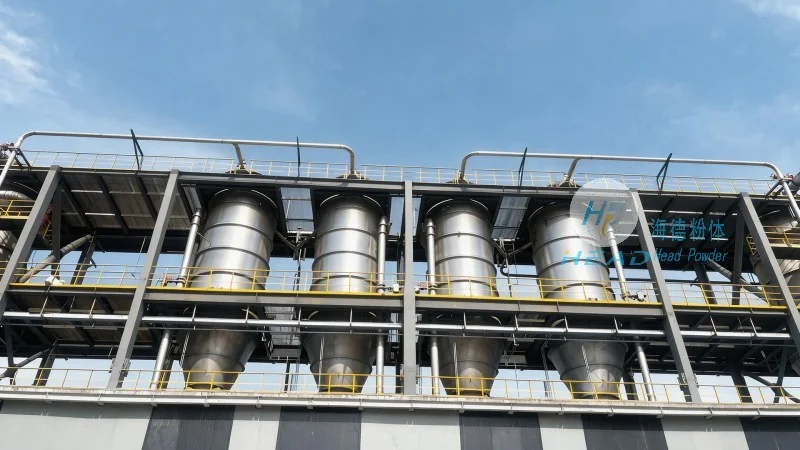
Advantages of HeadPowder's Pneumatic Conveying Solutions
Shandong HeadPowder Engineering Co., Ltd. offers comprehensive pneumatic conveying solutions tailored to the specific needs of artificial graphite applications. Their expertise lies in designing systems that balance efficiency, reliability, and cost-effectiveness. By leveraging advanced engineering and material science, HeadPowder ensures that their systems can handle the unique challenges associated with artificial graphite, such as its high hardness and potential for clogging. The company's positive pressure and negative pressure systems are equipped with features like variable speed feeders, pressure sensors, and automatic cleaning mechanisms to enhance performance and reduce operational costs. Clients benefit from reduced material loss, improved safety, and increased throughput, making HeadPowder a trusted partner in the artificial graphite industry.
Conclusion and Application Insights
In conclusion, the choice between positive pressure and negative pressure pneumatic conveying systems for artificial graphite depends on the specific operational requirements and material characteristics. Positive pressure systems offer robustness and efficiency for short to medium conveying distances, while negative pressure systems provide gentle handling for longer distances or sensitive materials. Shandong HeadPowder Engineering Co., Ltd. provides expert solutions that address these needs, ensuring reliable and efficient transport of artificial graphite. By understanding the technical nuances of each mode and leveraging advanced engineering, industries can optimize their material handling processes and enhance overall productivity.