

Choosing Between Positive Pressure and Negative Pressure for Gypsum Powder Pneumatic Conveying: How
Gypsum powder, a widely used industrial material in construction and other sectors, often requires efficient and reliable transportation methods. Pneumatic conveying systems have become a preferred solution for moving gypsum powder from one location to another due to their ability to handle fine powders and minimize dust exposure. Shandong HeadPowder Engineering Co., Ltd., a leading provider of industrial conveying solutions, specializes in designing and implementing pneumatic systems tailored to the unique needs of gypsum powder applications. This article aims to explore the differences between positive pressure and negative pressure pneumatic conveying systems and provide guidance on how to choose the appropriate system for your gypsum powder operations.

Understanding Positive Pressure Pneumatic Conveying
Positive pressure pneumatic conveying systems operate by blowing air or gas into the conveying line, creating a pressure higher than the ambient air pressure. This method pushes the material through the system, ensuring a continuous flow of gypsum powder. The key advantages of positive pressure systems include their ability to handle long distances and multiple transfer points, as well as their suitability for applications where the material needs to be delivered to a specific location under pressure. For gypsum powder, which is often used in drywall and plaster applications, positive pressure systems can effectively transport the material to the point of use without the need for additional processing.
Key Features of Positive Pressure Conveying for Gypsum
When considering positive pressure pneumatic conveying for gypsum powder, several factors come into play. First, the system’s capacity and pressure requirements must be matched to the specific application. Positive pressure systems typically use higher air velocities to ensure the material is fully suspended and conveyed efficiently. This is particularly important for gypsum, which can be prone to agglomeration if not properly handled. Additionally, positive pressure systems often incorporate filters and cyclones to separate the air from the powder, ensuring that the material reaches its destination in a clean and dry state. The choice of positive pressure system also depends on the distance between the source and the destination, as well as the number of intermediate points where the material may need to be transferred.

Understanding Negative Pressure Pneumatic Conveying
Negative pressure pneumatic conveying, also known as vacuum conveying, works by creating a vacuum in the conveying line, which draws the material from the source into the system. This method is often used for applications where the material needs to be collected from a hopper or a storage bin and transported to a processing unit. The primary advantage of negative pressure systems is their ability to handle fine powders without generating excessive dust, as the air is drawn into the system rather than being expelled. This makes them ideal for applications where dust control is a critical concern, such as in indoor or enclosed environments.
Key Features of Negative Pressure Conveying for Gypsum
For gypsum powder, negative pressure systems offer several benefits. The vacuum created in the system helps to maintain a consistent flow of material, even when the source is at a lower elevation than the destination. This is particularly useful in applications where the gypsum is stored in a silo or a hopper and needs to be transported to a mixing or processing unit. Negative pressure systems also tend to be more energy-efficient for shorter distances, as they do not require high air pressures to move the material. However, they may have limitations when it comes to long-distance conveying or handling large volumes of material, as the vacuum may not be sufficient to maintain a consistent flow over extended distances.
Distinguishing Between Positive and Negative Pressure Systems
When deciding between positive and negative pressure pneumatic conveying for gypsum powder, several key factors should be considered. First, the distance and layout of the conveying system are critical. Positive pressure systems are generally more suitable for longer distances and multiple transfer points, as they can maintain higher air pressures to ensure the material is conveyed efficiently. Negative pressure systems, on the other hand, are better suited for shorter distances and applications where dust control is a primary concern. Second, the material characteristics of gypsum powder must be taken into account. Gypsum is a fine powder that can be prone to agglomeration, so positive pressure systems with higher air velocities may be necessary to prevent blockages. Third, the environmental considerations, such as the need to minimize dust emissions, may influence the choice. Negative pressure systems are often preferred in enclosed or indoor environments where dust control is essential.
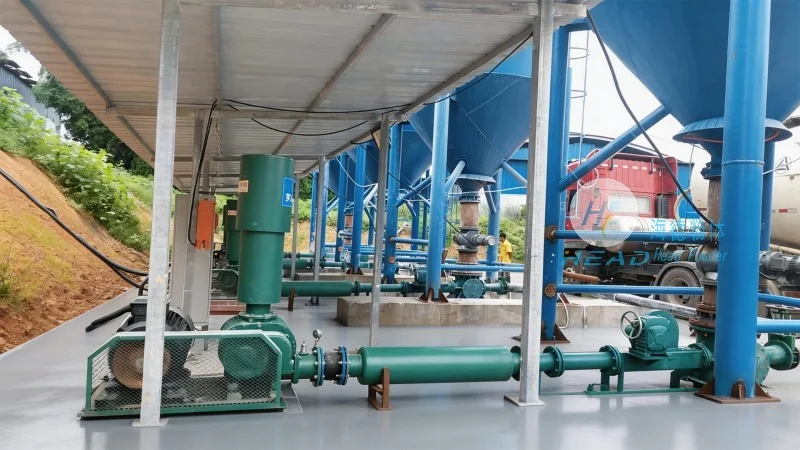
Choosing the Right System for Your Gypsum Powder Application
Ultimately, the choice between positive and negative pressure pneumatic conveying for gypsum powder depends on a combination of factors, including the distance, material characteristics, and environmental requirements. It is essential to evaluate the specific needs of your application and consult with experts in the field to determine the most suitable system. For instance, if your gypsum powder needs to be transported over a long distance with multiple transfer points, a positive pressure system may be the better choice. Conversely, if you are dealing with a short-distance transfer in an indoor environment where dust control is critical, a negative pressure system may be more appropriate.
Conclusion
Gypsum powder pneumatic conveying systems offer efficient and reliable solutions for transporting this important industrial material. By understanding the differences between positive and negative pressure systems and considering the specific requirements of your application, you can select the most suitable system to ensure optimal performance and minimal downtime. Whether you choose a positive pressure or negative pressure system, the key is to match the system’s capabilities with the needs of your gypsum powder application to achieve the best results.