

Choosing Between Positive Pressure and Negative Pressure for Glucose Powder Pneumatic Conveying: How
When it comes to transporting glucose powder efficiently and safely, selecting the right pneumatic conveying system is crucial. The two primary types are positive pressure and negative pressure systems. Understanding the differences between these systems is essential for optimizing your material handling operations. This article will explore the key distinctions, advantages, and practical considerations for each approach, helping you make an informed decision for your glucose powder handling needs.

Understanding Positive Pressure Pneumatic Conveying
Positive pressure systems operate by blowing air or a gas mixture into the conveying line, creating a pressure higher than the ambient air pressure. This method is often preferred for transporting glucose powder due to its ability to handle abrasive or sticky materials. The high-pressure air forces the powder through the pipeline, ensuring consistent flow and preventing material buildup. For glucose powder, which can be fine and prone to clogging, positive pressure systems provide reliable performance. The equipment typically includes a blower, a hopper, and a discharge point, with the air flow directed to push the material forward.
Key Features of Positive Pressure Systems
Positive pressure systems are known for their robustness and ability to handle long-distance or high-velocity conveying. They are particularly effective when the material is sensitive to pressure changes or when the conveying line needs to be sealed to prevent dust emissions. The high pressure also helps in maintaining the integrity of the powder, reducing the risk of agglomeration or degradation. Additionally, these systems can be designed with multiple inlets and outlets, allowing for complex material routing in industrial settings. The main components include a positive displacement blower or a centrifugal fan, which generates the necessary pressure to move the material.

Advantages of Positive Pressure Conveying for Glucose Powder
One of the significant advantages of positive pressure systems is their ability to handle a wide range of material properties. Glucose powder, being fine and potentially hygroscopic, benefits from the consistent pressure that prevents moisture absorption and maintains particle size. The system also offers better control over the conveying rate, which is critical for processes that require precise dosing. Furthermore, positive pressure systems are generally more suitable for applications where the conveying line is exposed to the environment, as the high pressure helps in containing dust and preventing contamination. The reliability of these systems makes them a preferred choice for continuous production lines in the food and pharmaceutical industries.
Understanding Negative Pressure Pneumatic Conveying
Negative pressure systems, also known as vacuum systems, work by creating a vacuum in the conveying line, drawing the material from the source into the system. This method is often used when the material needs to be transported from a source that is difficult to access or when the environment requires dust containment. The vacuum pulls the powder into the pipeline, making it ideal for applications where the material is light and can be easily drawn. However, negative pressure systems have limitations, especially when dealing with fine powders like glucose, as they may struggle with clogging and maintaining consistent flow.
Key Features of Negative Pressure Systems
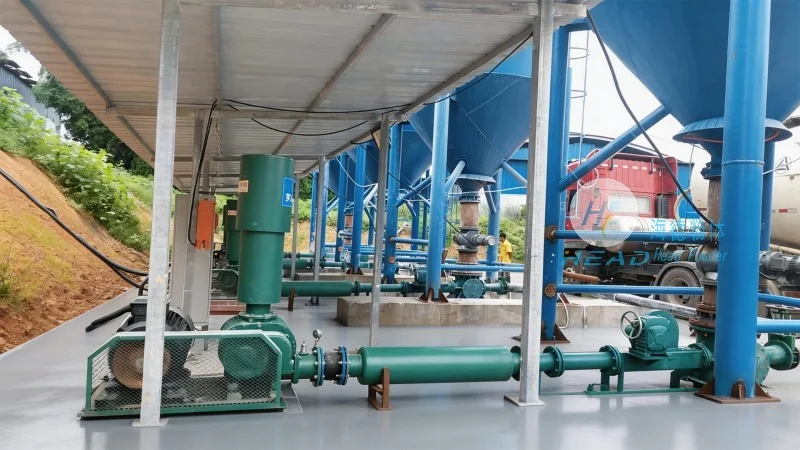
Negative pressure systems are typically more compact and require less space compared to positive pressure systems. They are suitable for short-distance conveying and when the material is less abrasive. The equipment includes a vacuum pump, a hopper, and a collection point, with the vacuum created by the pump drawing the material into the line. The system is often used in applications where the source is elevated or when the material needs to be transported into a processing unit. However, the vacuum can sometimes lead to issues with material separation and may require additional filtration to prevent dust from escaping.
Advantages of Negative Pressure Conveying for Glucose Powder
One of the main advantages of negative pressure systems is their ability to handle materials that are sensitive to pressure changes. Glucose powder, which can be affected by high pressure, benefits from the low-pressure environment created by the vacuum. The system is also more energy-efficient for short distances, as the vacuum pump operates at lower speeds compared to a high-pressure blower. Additionally, negative pressure systems are easier to install in existing facilities, as they do not require extensive modifications to the conveying line. The compact design makes them suitable for applications with limited space, such as in small-scale food processing plants.

Distinguishing Between Positive and Negative Pressure Systems
How can you tell which system is right for your glucose powder handling needs? The key factors to consider include the material properties, conveying distance, and environmental requirements. For glucose powder, which is fine and hygroscopic, positive pressure systems are generally more effective due to their ability to maintain particle integrity and prevent clogging. However, if the conveying distance is short and the material is less abrasive, a negative pressure system may be sufficient. Another critical factor is the dust control requirements. Positive pressure systems may require additional filtration to prevent dust emissions, while negative pressure systems are inherently better at containing dust due to the vacuum.
Practical Considerations for Choosing the Right System
When deciding between positive and negative pressure pneumatic conveying for glucose powder, several practical aspects should be evaluated. First, consider the cost of equipment and maintenance. Positive pressure systems may have higher initial costs due to the need for robust blowers and higher-pressure components, but they offer better long-term reliability. Negative pressure systems are generally more affordable but may require more frequent maintenance due to the vacuum pump and filtration systems. Second, assess the operational environment. If the facility is in an area with strict dust regulations, a positive pressure system with enclosed conveying lines and proper filtration is recommended. Conversely, if the environment is controlled and the material is less sensitive to pressure, a negative pressure system can be a cost-effective solution.