

Biomass Positive Pressure Conveying vs. Negative Pressure Conveying: A Comparative Analysis of Two P
Efficient and reliable material handling is a critical aspect of modern industrial operations, particularly in the processing of biomass materials. Among the various methods available, pneumatic conveying systems offer a versatile solution for transporting bulk materials like biomass over long distances or within complex processing facilities. Two primary approaches dominate this field: positive pressure conveying and negative pressure conveying. This analysis delves into the distinct characteristics, operational principles, and practical applications of these two methods, providing a comprehensive comparison to aid in informed decision-making for industrial applications.
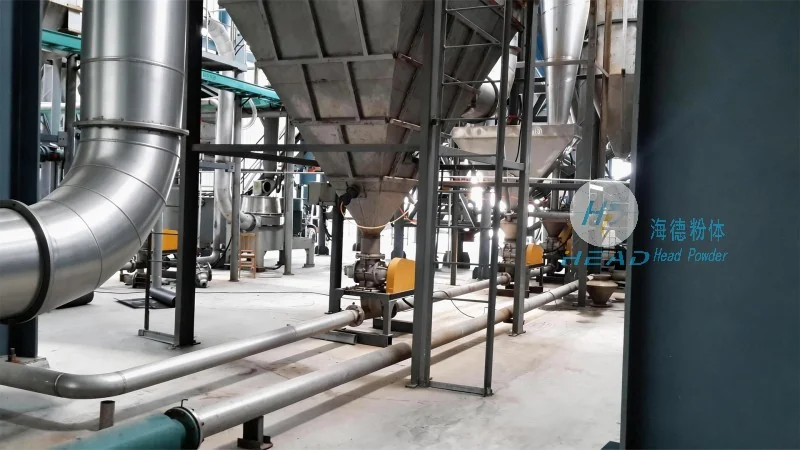
Understanding Pneumatic Conveying Systems
Pneumatic conveying involves the use of air or other gases to transport solid materials through a pipeline. The system typically consists of a material feed hopper, a conveyor line, and a discharge point. The choice between positive and negative pressure systems depends on factors such as material properties, distance, and the need for environmental control. Both methods utilize the principles of fluid dynamics to move materials, but they differ significantly in their operational pressures and system configurations.
Positive Pressure Conveying: The Forward-Pressure Approach
Positive pressure conveying operates by blowing air or gas into the pipeline, creating a pressure higher than the ambient air pressure. This forward pressure forces the material to move through the system. The system starts at the material source, where the material is fed into a hopper equipped with a feeder. The feeder then introduces the material into the pipeline, where it is carried by the high-pressure air stream. This method is particularly effective for transporting materials over longer distances and through complex networked pipelines, as the positive pressure can maintain material flow even in vertical or inclined sections.
A key advantage of positive pressure systems is their ability to handle a wide range of material types, including fine powders, granules, and even bulk materials with high moisture content. The high pressure ensures that the material is fully suspended in the air stream, reducing the risk of blockages or clogging. Additionally, positive pressure systems are generally more robust and less susceptible to external air infiltration, which can affect material quality or system performance. However, they require more powerful air compressors and may generate higher noise levels due to the high-pressure operation.

Negative Pressure Conveying: The Suction Approach
Conversely, negative pressure conveying, also known as vacuum conveying, operates by creating a vacuum in the pipeline, drawing material from the source into the system. The system begins at the material discharge point, where a vacuum pump creates a low-pressure environment. The material is then drawn into the pipeline by the pressure differential between the source and the system. This method is often preferred for applications requiring precise control over material handling, such as in pharmaceutical or food processing industries, where contamination and material purity are paramount.
Negative pressure systems excel in handling fine, dust-like materials that are prone to dispersion or loss during transport. The vacuum environment helps maintain material integrity and reduces the risk of dust emissions into the surrounding environment. Unlike positive pressure systems, negative pressure conveying is generally quieter and more energy-efficient, as it relies on lower power vacuum pumps rather than high-pressure compressors. However, they are less suitable for long-distance or high-volume transport, as the vacuum pressure may not be sufficient to overcome significant resistance or elevation changes in the pipeline.
Comparative Analysis: Key Differences and Applications
When evaluating the two pneumatic conveying methods, several critical factors emerge that influence the choice for a specific application. The primary distinction lies in the operational pressure: positive pressure uses forward pressure, while negative pressure relies on suction. This difference directly impacts the system's capacity, efficiency, and suitability for different material types and distances.

For applications requiring high throughput and long-distance transport, positive pressure conveying is often the preferred choice. Its ability to handle bulk materials and maintain consistent flow over extended pipelines makes it ideal for biomass processing plants, where large volumes of raw material need to be moved from storage to processing units. In contrast, negative pressure conveying is better suited for applications that demand precision, low dust emissions, and minimal environmental impact, such as in the handling of fine biomass powders for biofuel production or feedstock preparation.
Another key consideration is the system's energy consumption and operational costs. Positive pressure systems typically consume more energy due to the high-pressure air requirements, although modern compressors have improved efficiency. Negative pressure systems, while more energy-efficient, may require additional filtration and maintenance to prevent dust accumulation in the vacuum pump and pipeline. The choice between the two also depends on the specific material characteristics, such as particle size, moisture content, and flowability, as these factors can affect the system's performance and reliability.

HeadPowder Engineering: Expertise in Biomass Conveying Solutions
Shandong HeadPowder Engineering Co., Ltd. specializes in the design, manufacturing, and installation of advanced pneumatic conveying systems tailored to the unique needs of biomass processing industries. With a focus on innovation and customer-centric solutions, HeadPowder provides comprehensive engineering services, from system design and customization to on-site installation and commissioning. The company's expertise lies in understanding the diverse requirements of biomass materials, such as wood chips, pellets, and agricultural residues, and developing tailored conveying solutions that optimize efficiency, reduce operational costs, and ensure material integrity.
HeadPowder's commitment to quality and reliability is reflected in its adherence to international standards and rigorous testing protocols. The company's team of experienced engineers and technicians work closely with clients to assess their specific material handling challenges and recommend the most suitable pneumatic conveying method—whether positive or negative pressure—based on factors like distance, material properties, and environmental considerations. By leveraging advanced technology and a deep understanding of industrial processes, HeadPowder delivers customized solutions that enhance productivity and sustainability in biomass processing operations.
With a strong presence in China, particularly in Shandong, HeadPowder serves a wide range of industries, including bioenergy, agriculture, and food processing. The company's facilities and technical support ensure that clients receive timely and effective solutions, from initial consultation to long-term maintenance and system upgrades. As a leader in the field of pneumatic conveying, HeadPowder continues to advance the technology and application of biomass handling systems, helping industries achieve greater efficiency and environmental sustainability in their operations.