

Introduction to Dust Gas Power Conveying and the Working Principle of the Pneumatic Conveying System
HeadPowder, a leading provider of engineering solutions in China, specializes in the design and implementation of pneumatic conveying systems, particularly for the handling of dust collection materials. Based in Shandong, China, the company, known by its abbreviation as HeadPowder, offers comprehensive services tailored to industrial needs for efficient material transport.
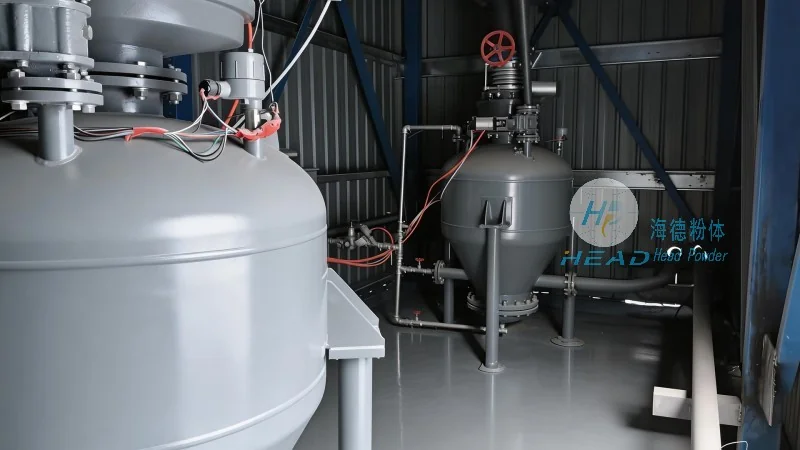
About the Company and Pneumatic Conveying Technology
HeadPowder Engineering Co., Ltd. is dedicated to advancing material handling technologies, with a focus on pneumatic conveying systems. These systems utilize compressed air or other gases to transport bulk materials, such as dust collected from industrial processes. The company's expertise lies in designing customized solutions that meet the specific requirements of clients, ensuring optimal performance and reliability in diverse industrial applications.
What is Pneumatic Conveying?
Pneumatic conveying, also known as gas power conveying, is a method of transporting solid particles through a pipeline using a moving gas stream. This technology is widely used in various industries for the efficient movement of powders and granules. The system operates by creating a pressure differential or using a vacuum to draw materials into the pipeline, where they are carried by the flowing air. There are two primary types of pneumatic conveying systems: dilute-phase and dense-phase, each with distinct characteristics suited to different material properties and transport distances.

Working Principle of the Pneumatic Conveying System for Dust Collection
The working principle of a pneumatic conveying system for dust collection involves several key steps. First, the dust is collected from industrial equipment, such as cyclones or bag filters, and fed into the system via a feeder. The feeder then introduces the material into the pipeline, where it is mixed with the air stream. The air and dust mixture travels through the pipeline to a separation unit, where the dust is separated from the air. The separated dust is then collected in a storage container or further processed, while the clean air is discharged or recirculated. The system's efficiency depends on the proper design of the feeder, pipeline, and separation equipment, ensuring minimal material loss and optimal air usage.
Key Components and Their Functions
A pneumatic conveying system for dust collection typically consists of several essential components. The feeder is responsible for feeding the dust into the system at a controlled rate, preventing blockages and ensuring consistent flow. The pipeline serves as the conduit for the air and dust mixture, with appropriate diameter and material selection to withstand pressure and prevent leakage. The separation unit, often a cyclone or bag filter, separates the dust from the air by utilizing centrifugal force or filtration. Additionally, the system may include a blower or compressor to generate the necessary air pressure, a filter to remove any remaining dust from the exhaust air, and a control system to regulate the operation of the components.
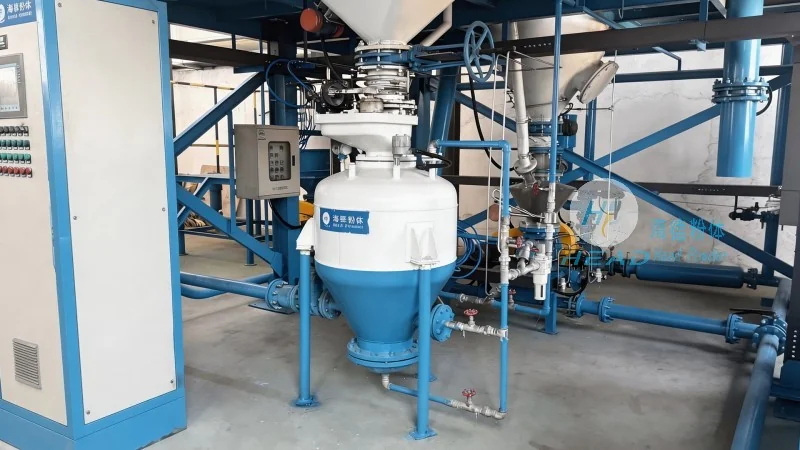
Advantages of Using Pneumatic Conveying for Dust Collection
Employing pneumatic conveying for dust collection offers numerous advantages over traditional methods like belt conveyors or manual handling. One of the primary benefits is the ability to transport materials in a closed system, minimizing dust emissions and environmental contamination. The system also provides continuous and automated operation, reducing labor costs and improving process efficiency. Furthermore, pneumatic conveying is highly flexible, allowing for changes in material flow rates and transport routes without significant modifications to the system. The technology is suitable for a wide range of dust types and particle sizes, making it a versatile solution for various industrial applications.
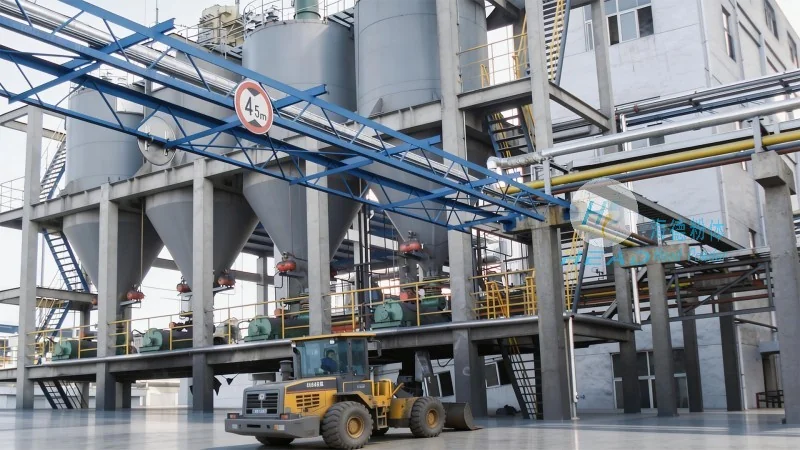
Application Scenarios in Industrial Settings
Pneumatic conveying systems for dust collection are widely used in industries such as cement manufacturing, steel production, chemical processing, and power generation. In cement plants, the system is used to transport fly ash and other fine powders from storage silos to production lines. In steel mills, it handles dust from grinding and crushing operations, ensuring safe and efficient material handling. Chemical plants utilize pneumatic conveying for the transport of catalysts and other powders, maintaining strict safety and quality standards. Power plants rely on these systems to manage flue gas desulfurization (FGD) dust and other byproducts, contributing to environmental compliance and operational efficiency.
Conclusion and Company's Commitment
HeadPowder Engineering Co., Ltd. remains committed to providing innovative and reliable pneumatic conveying solutions for dust collection and other material handling needs. By leveraging advanced engineering and technology, the company ensures that its systems meet the highest standards of performance, safety, and sustainability. With a focus on customer satisfaction and long-term partnerships, HeadPowder continues to be a trusted name in the industry, delivering tailored solutions that enhance operational efficiency and support environmental responsibility.