

Principle of Activated Carbon Pneumatic Conveying System
Activated carbon, a critical material in various industrial processes, often requires efficient and reliable handling systems. The activated carbon pneumatic conveying system offers a solution that ensures safe, clean, and effective transport of this valuable material. This article explores the fundamental principles, components, and operational mechanisms of such a system, providing a comprehensive understanding for professionals in the field.

Overview of Activated Carbon Pneumatic Conveying Systems
Activated carbon, widely used in water treatment, air purification, and chemical processing, is a fine, porous material that demands specialized handling to prevent dust generation and ensure product integrity. Pneumatic conveying systems utilize air or other gases to transport solid materials like activated carbon through pipelines, offering advantages over traditional methods such as bulk handling and reduced contamination risks. The system's design and operation are tailored to meet the specific characteristics of activated carbon, including its low bulk density and high dust potential.
Key Components of the Pneumatic Conveying System
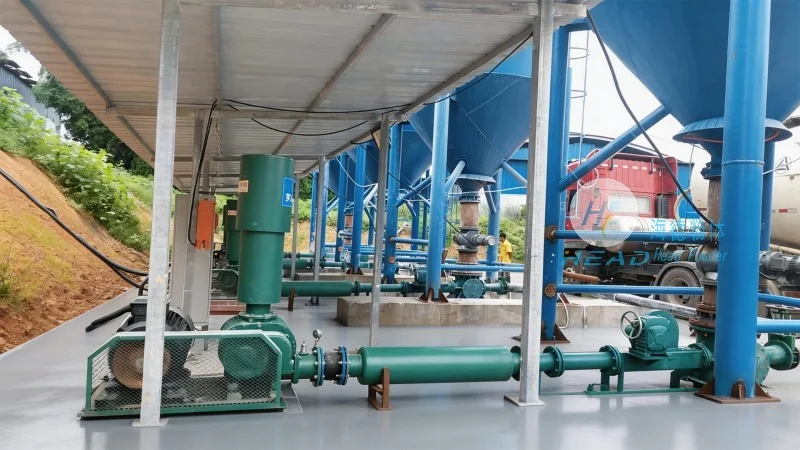
The activated carbon pneumatic conveying system consists of several essential components that work in tandem to facilitate material transport. These include the hopper or feeder, which holds the activated carbon and controls the flow rate; the air compressor or blower, which generates the necessary air pressure to move the material; the pipeline network, which transports the carbon and air mixture; and the receiver or silo, where the material is deposited. Additionally, components like cyclones, filters, and pressure regulators may be integrated to enhance system efficiency and safety.

Working Principle of the System
The operation of the activated carbon pneumatic conveying system is based on the principle of fluidization and drag. When air is introduced into the hopper or feeder at a controlled rate, it creates a low-pressure zone that draws the activated carbon particles into the pipeline. The air flow then lifts and transports the carbon through the system, maintaining a consistent velocity to prevent particle deposition or blockage. The system's design ensures that the air-to-solid ratio is optimized to achieve efficient transport while minimizing energy consumption and wear on components.

Advantages of Using Pneumatic Conveying for Activated Carbon
Compared to traditional conveying methods like belt conveyors or bucket elevators, pneumatic systems offer several benefits for activated carbon handling. These include reduced dust exposure, which is crucial for maintaining product quality and worker safety; the ability to transport materials over long distances without the need for multiple transfer points; and the flexibility to handle varying material flow rates. Additionally, pneumatic conveying systems are less prone to material degradation and can be integrated with other processing equipment, such as filters or reactors, to streamline industrial operations.
Application Examples in Industrial Settings
Activated carbon pneumatic conveying systems are widely employed in various industrial applications. In water treatment facilities, the system efficiently transports activated carbon from storage silos to filtration units, ensuring consistent water purification. In chemical manufacturing plants, it handles activated carbon used in adsorption processes, delivering material to reactors or storage tanks with precision. The system's adaptability also makes it suitable for pharmaceutical and food processing industries, where maintaining product purity and hygiene is paramount.
About Shandong HeadPowder Engineering Co., Ltd.
Shandong HeadPowder Engineering Co., Ltd., a leading provider of industrial conveying solutions, specializes in designing and manufacturing advanced pneumatic systems tailored to the needs of activated carbon and other fine materials. With a focus on innovation and customer satisfaction, the company has established itself as a trusted partner in the industry. HeadPowder's expertise in material handling technology ensures that their systems are efficient, reliable, and compliant with industry standards. The company's headquarters is located in Shandong, China, where it continues to develop cutting-edge solutions for the global market.