

What is a PTFE Pneumatic Conveying System? And What Are Its Design Principles?
PTFE (Polytetrafluoroethylene) pneumatic conveying systems are advanced industrial solutions designed to transport bulk materials efficiently and safely. These systems utilize compressed air or other gases to move powders and granules through a network of pipes and components, offering a flexible and often dust-free alternative to traditional mechanical conveying methods. For industries dealing with sensitive or high-value materials, understanding the functionality and design principles of such systems is crucial for optimizing operational efficiency and maintaining product integrity.
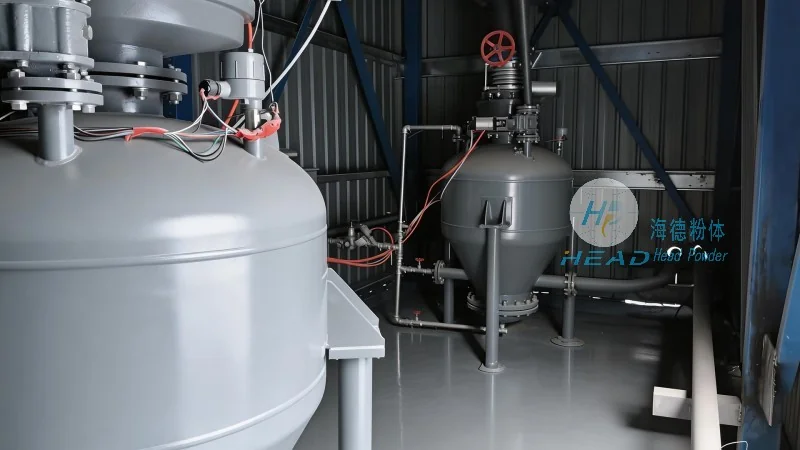
Understanding PTFE Pneumatic Conveying Systems
At the core of PTFE pneumatic conveying systems is the use of PTFE, a highly inert and chemically resistant material, for the construction of key components like pipes, valves, and fittings. This choice is particularly advantageous when handling materials that are prone to corrosion, contamination, or degradation from contact with metal or other polymers. The system operates by creating a pressure differential, either through suction (negative pressure) or pressure (positive pressure), to draw or push material through the system. The compressed air acts as the motive force, carrying the material particles along the pipeline while maintaining a controlled flow rate and minimizing particle degradation.
Key Components and Their Roles
The design of a PTFE pneumatic conveying system involves several critical components, each playing a specific role in the material transport process. The primary components include the hopper or feed inlet, where material is introduced into the system; the conveying line, which consists of PTFE-lined pipes that ensure material integrity and prevent contamination; the air supply unit, which provides the necessary pressure or vacuum; and the control valves, such as rotary airlocks and check valves, that regulate the flow and prevent backflow. Additionally, the system may include filters and cyclones for material separation and air filtration, ensuring that the conveyed material remains clean and the exhaust air is free from dust.

Design Principles for Efficient Operation
The design of PTFE pneumatic conveying systems follows several key principles to ensure optimal performance and reliability. One of the most important principles is maintaining a consistent air-to-material ratio, which balances the flow of air with the volume of material being conveyed. This ratio is critical for preventing material blockages or excessive air consumption. Another principle is the selection of appropriate pipe diameters and lengths, as these factors directly impact the system's pressure drop and overall efficiency. Engineers must also consider the material's physical properties, such as particle size, density, and moisture content, when designing the system to ensure that the conveying velocity is sufficient to prevent particle settling or degradation.
Advantages of PTFE Pneumatic Conveying Systems
PTFE pneumatic conveying systems offer numerous advantages over traditional conveying methods. Their primary benefit is the ability to handle a wide range of materials, including those that are abrasive, corrosive, or sensitive to moisture. The PTFE lining provides excellent chemical resistance, preventing material degradation and contamination. Additionally, these systems are often more flexible and easier to install than mechanical conveyors, as they can be configured to follow existing building layouts and can be expanded or modified as production needs change. The dust-free operation of pneumatic systems also contributes to improved workplace safety and reduced environmental impact, making them a preferred choice in industries such as pharmaceuticals, food processing, and chemical manufacturing.

Applications in Various Industries
PTFE pneumatic conveying systems are widely used across various industries due to their versatility and reliability. In the pharmaceutical industry, for example, these systems are essential for conveying active pharmaceutical ingredients (APIs) and other sensitive materials, where contamination and product degradation must be strictly avoided. The food processing industry also relies on PTFE systems to transport ingredients like powders, spices, and vitamins, ensuring that the materials remain free from bacteria and other contaminants. In the chemical industry, PTFE systems are used to handle corrosive and hazardous materials, such as acids and solvents, where the chemical resistance of PTFE is critical. Other applications include the handling of minerals, plastics, and agricultural products, where the system's ability to transport bulk materials efficiently is valuable.
Customization and Scalability
Shandong HeadPowder Engineering Co., Ltd., a leading manufacturer of PTFE pneumatic conveying systems, specializes in providing customized solutions tailored to the specific needs of each client. The company's expertise lies in designing systems that meet the unique requirements of different industries, including the selection of appropriate PTFE grades, pipe sizes, and control systems. With a focus on quality and reliability, HeadPowder ensures that each system is built to withstand the demands of industrial environments and delivers consistent performance over its service life. The company's commitment to innovation and customer satisfaction has made it a trusted partner for businesses seeking efficient and effective material handling solutions.