

What is a Tonne Bag Dust-Free Loading Station Pneumatic Conveying Equipment? What is its Design Prin
When it comes to industrial material handling, especially in sectors requiring high precision and minimal contamination, the tonne bag dust-free loading station with pneumatic conveying equipment has emerged as a critical solution. This system is designed to efficiently transfer bulk materials from large tonne bags into processing equipment while maintaining a clean, dust-free environment. Understanding both the equipment and its underlying design principles is essential for industries such as pharmaceuticals, food processing, and chemical manufacturing, where product purity and operational safety are paramount.

Introduction to Tonne Bag Dust-Free Loading Stations
A tonne bag, also known as a super sack or bulk bag, is a large flexible container used for transporting and storing bulk materials. These bags typically hold between 500 kg to 2,000 kg of material, making them ideal for high-volume material handling. The dust-free loading station, integrated with pneumatic conveying technology, serves as a central hub for material transfer from these tonne bags into downstream processes. The primary goal is to eliminate dust generation during the transfer, ensuring that the material remains clean and free from contamination. This is achieved through a combination of sealed systems, filtration, and controlled air flow.
Key Components of the Pneumatic Conveying System
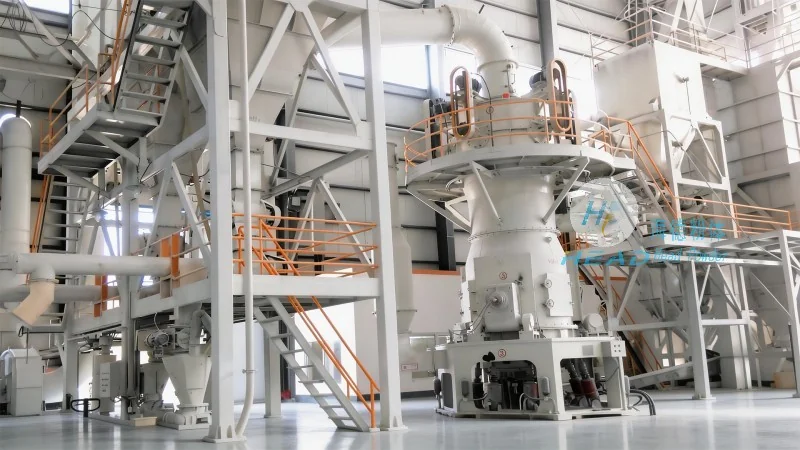
The pneumatic conveying equipment within the dust-free loading station consists of several key components that work in tandem to facilitate material transfer. These include the hopper, which collects material from the tonne bag, the airlock or rotary valve that controls the flow of material into the conveying line, the conveying pipe network that transports the material, and the receiver or silo where the material is deposited. Additionally, the system incorporates dust collection and filtration units to capture any airborne particles, ensuring that the environment remains clean and compliant with regulatory standards. The use of positive or negative pressure systems depends on the specific application and material characteristics, with positive pressure systems being more common for handling fine powders and negative pressure systems used for more abrasive or heavier materials.
Design Principles for Efficient Material Handling
The design of a tonne bag dust-free loading station is guided by several key principles aimed at optimizing performance, safety, and operational efficiency. One of the core principles is the minimization of dust generation through sealed and enclosed systems. This involves using airtight connections between the tonne bag, hopper, and conveying equipment to prevent material from escaping into the environment. The airlock or rotary valve is a critical component in this regard, as it ensures that material is discharged in controlled batches, reducing the risk of spillage and dust release. Another important principle is the optimization of air flow and pressure to achieve efficient material transport. The design must consider the material's flow properties, such as its density, particle size, and moisture content, to determine the appropriate conveying velocity and pressure. This ensures that the material moves smoothly through the system without clogging or degradation.

Advantages of the Dust-Free Loading Station
Implementing a tonne bag dust-free loading station with pneumatic conveying equipment offers numerous advantages for industrial operations. Firstly, it significantly reduces the risk of dust-related accidents and health hazards, which is crucial in industries where exposure to fine particles can lead to respiratory issues. Secondly, the system enhances product quality by maintaining a clean environment, preventing contamination from external sources. This is particularly important in sectors like pharmaceuticals and food processing, where product purity is a regulatory requirement. Thirdly, the system improves operational efficiency by automating the material transfer process, reducing manual handling and associated labor costs. The integration of the tonne bag with the conveying equipment also streamlines the material handling workflow, allowing for seamless transition from storage to processing. Finally, the dust-free design helps in maintaining a clean and organized workplace, which can improve overall productivity and employee satisfaction.

Applications and Industries
The tonne bag dust-free loading station with pneumatic conveying equipment is widely used across various industries that handle bulk materials. In the pharmaceutical industry, it is used to transfer raw materials into production lines while maintaining sterile conditions. In the food processing industry, it ensures that ingredients are handled hygienically, preventing cross-contamination. The chemical industry utilizes this system for handling powders and granules, where dust control is essential for both safety and product quality. Additionally, in the agricultural sector, it can be used for transferring fertilizers or other bulk agricultural products. The versatility of the system makes it suitable for a wide range of applications, from small-scale operations to large industrial facilities.
Conclusion
In conclusion, the tonne bag dust-free loading station with pneumatic conveying equipment is a sophisticated system designed to handle bulk materials efficiently and safely. Its design principles focus on minimizing dust generation, optimizing material flow, and ensuring operational efficiency. By integrating sealed systems, advanced filtration, and controlled air flow, this equipment provides a reliable solution for industries requiring high standards of product purity and workplace safety. As industries continue to prioritize sustainability and operational excellence, such systems will play an increasingly important role in modern material handling processes. The expertise of companies like Shandong HeadPowder Engineering Co., Ltd. in designing and manufacturing these systems ensures that businesses can meet their material handling needs while adhering to the highest standards of quality and safety.