

What Are Industrial Alkali Material Handling Equipment? And What Are Their Design Principles?
Industrial alkali material handling equipment is a specialized category of machinery designed to safely and efficiently transport caustic substances in industrial settings. These systems are integral to processes where alkali materials are used, such as in chemical manufacturing, pharmaceutical production, and food processing. Understanding the design principles behind these equipment is crucial for industries that rely on such materials, as it directly impacts operational efficiency, safety, and the longevity of the machinery.

Core Components of Industrial Alkali Material Handling Equipment
The fundamental components of industrial alkali material handling equipment are engineered to address the unique challenges posed by caustic materials. These systems typically include feed mechanisms, conveying components, control systems, and safety features. The feed mechanisms are designed to handle the material's properties, including its corrosive nature and potential for chemical reactions, ensuring a consistent and controlled feed into the conveying system. Conveying components, which may consist of screw conveyors, belt conveyors, or pneumatic systems, are selected based on the material's characteristics and the required transport distance. Control systems are integrated to monitor and regulate the operation, enabling real-time adjustments to maintain optimal performance and prevent overloading or damage. Safety features, such as emergency stop buttons, pressure relief valves, and material containment measures, are critical to protect operators and the environment from potential hazards.
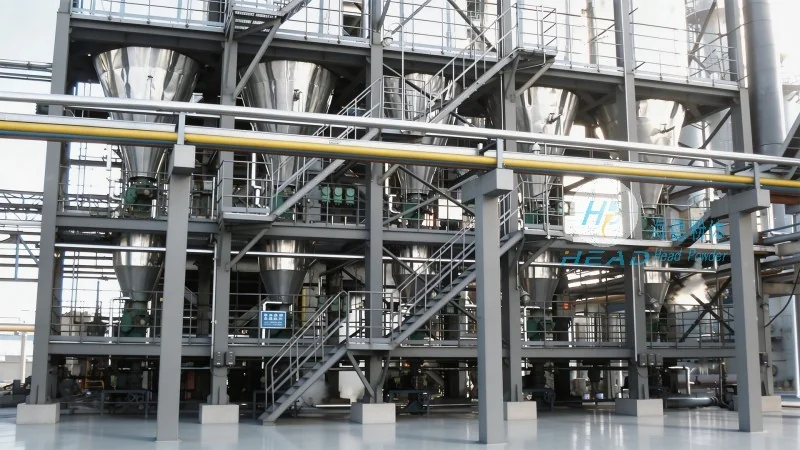
Design Principles for Industrial Alkali Material Handling Equipment
The design principles for industrial alkali material handling equipment prioritize durability, corrosion resistance, and operational efficiency. Manufacturers, like Shandong HeadPowder Engineering Co., Ltd., focus on using materials that can withstand harsh alkali environments, such as stainless steel, high-grade alloys, and specialized coatings. The equipment is constructed with smooth surfaces and minimal crevices to prevent material buildup and corrosion. Additionally, the design emphasizes ease of maintenance and cleaning, as regular upkeep is essential for preventing contamination and ensuring long-term performance. The control systems are designed to provide real-time monitoring of the material's condition and the equipment's performance, allowing for immediate interventions if any issues arise. This proactive approach to design ensures reliable and safe operation over the equipment's lifespan.

Applications and Benefits of Industrial Alkali Material Handling Equipment
Industrial alkali material handling equipment is widely utilized in industries where caustic substances are integral to production, including chemical manufacturing, pharmaceuticals, and food processing. The equipment's ability to handle these materials efficiently and safely is vital for maintaining production continuity and meeting quality standards. The benefits of using specialized equipment include reduced downtime due to equipment failure, lower maintenance costs, and enhanced safety for operators. Furthermore, the equipment's design allows for precise control over the material's flow, ensuring consistent quality in the final product. The reliability of these systems also contributes to environmental compliance, as they minimize the risk of spills and leaks that could harm the environment. Overall, the use of industrial alkali material handling equipment enhances operational efficiency and safety in industries that rely on caustic materials.

Conclusion and Company Overview
Industrial alkali material handling equipment is a critical component in many industrial processes, and its design principles are tailored to meet the unique demands of handling caustic substances. Companies such as Shandong HeadPowder Engineering Co., Ltd. specialize in developing and manufacturing these systems, ensuring they meet the highest standards of safety, durability, and performance. By focusing on corrosion-resistant materials, robust design, and advanced control systems, these companies provide solutions that enhance operational efficiency and safety for industries that rely on alkali materials. The expertise and experience of such companies are essential for ensuring that the equipment operates reliably and effectively, contributing to the overall success of industrial operations.