

What is a Corn Cob Material Conveying Line? And What Are Its Design Principles?
For industries dealing with corn cob processing, the efficient handling of raw materials is crucial. A corn cob material conveying line is a specialized system engineered to transport corn cob materials through various stages of processing. This article explores the functionality and design principles behind such systems, highlighting the expertise of Shandong HeadPowder Engineering Co., Ltd., a leading provider in the field.

Introduction to Corn Cob Material Conveying Lines
A corn cob material conveying line is a comprehensive system designed to move corn cobs from collection to processing or storage. These systems are integral to the agricultural and food processing industries, where corn cobs are used as raw materials for biofuels, animal feed, or other industrial applications. The efficiency of the conveying line directly impacts production throughput and operational costs, making it a critical component in modern processing facilities.
Key Components and Design Principles
The design of a corn cob material conveying line is tailored to the physical properties of corn cobs, such as their size, density, and moisture content. Key components typically include feed hoppers, conveyor belts or chains, elevators, and control systems. The system is engineered to handle the material's irregular shape and potential for jamming, ensuring smooth and continuous operation. For instance, the use of robust, heavy-duty belts and adjustable speed controls helps maintain consistent material flow, reducing downtime and maintenance needs.

Engineering Expertise of Shandong HeadPowder Engineering Co., Ltd.
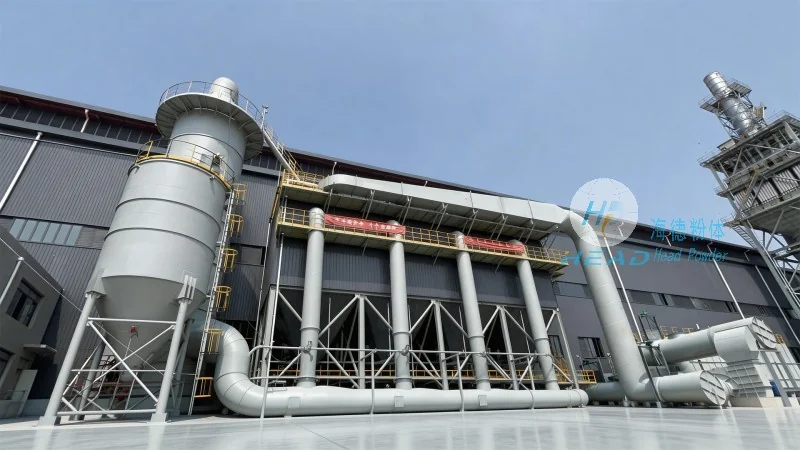
Shandong HeadPowder Engineering Co., Ltd., based in China, specializes in the design and manufacturing of advanced material handling systems. With years of experience in the industry, the company has developed customized solutions for diverse applications, including corn cob processing. Their expertise lies in integrating cutting-edge technology with practical engineering to create systems that meet the specific needs of clients. The company’s facilities are equipped with state-of-the-art equipment and a team of skilled engineers who ensure that each conveying line is built to the highest standards of quality and durability.
Application and Operational Benefits
Corn cob material conveying lines are widely used in biofuel production, where the material is processed into ethanol or other energy sources. In animal feed manufacturing, the system helps in the efficient transport of corn cobs to grinding or mixing units. The operational benefits of these systems include improved safety through automated handling, reduced labor costs, and enhanced productivity. Additionally, the design allows for easy integration with other processing equipment, such as crushers or dryers, creating a seamless production line.

Customization and Maintenance Considerations
Given the variability in corn cob characteristics and processing requirements, most conveying lines are customized to meet specific client needs. Shandong HeadPowder Engineering Co., Ltd. offers tailored solutions, considering factors like material throughput, space constraints, and environmental conditions. Maintenance is also a critical aspect of the system's longevity. The company provides comprehensive maintenance services, including regular inspections, part replacements, and technical support, ensuring that the conveying line operates at optimal performance levels throughout its service life.
Conclusion
In summary, a corn cob material conveying line is a sophisticated system that plays a vital role in the efficient processing of corn cobs. The design principles, which focus on material handling efficiency and durability, are crucial for maximizing productivity and minimizing operational costs. With the expertise of companies like Shandong HeadPowder Engineering Co., Ltd., industries can rely on high-quality, customized conveying lines that meet their specific requirements, contributing to the overall success of their operations.