

What is a Sintered Dust Material Pneumatic Conveying Equipment? What is its Design Principle?
Sintered dust material pneumatic conveying equipment is a specialized system designed to handle and transport fine particulate materials, particularly those produced during sintering processes. This equipment plays a crucial role in industrial applications where efficient and safe material handling is essential. The system typically involves the use of compressed air or other gases to transport the sintered dust from one location to another, ensuring minimal loss and contamination. As a key component in material handling systems, it is vital to understand both the functionality and the design principles behind such equipment.

Understanding the Core Components of the Equipment
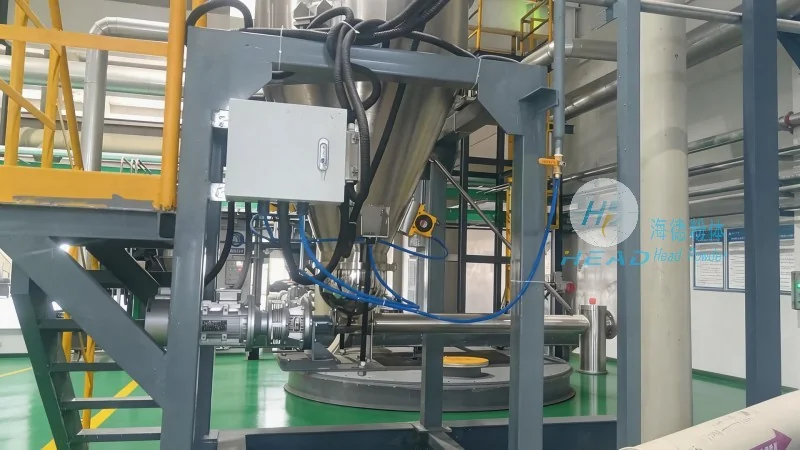
The sintered dust material pneumatic conveying equipment consists of several critical components that work in tandem to achieve effective material transport. These components include the material feed hopper, the air supply system (such as a blower or compressor), the conveying pipeline, and the discharge unit. The feed hopper is responsible for storing and feeding the sintered dust into the system, ensuring a consistent flow of material. The air supply system generates the necessary pressure and flow rate to move the dust particles through the pipeline. The conveying pipeline, often made of materials like stainless steel or plastic, provides the pathway for the dust and air mixture. Finally, the discharge unit collects the material at the destination point, separating it from the air and preparing it for further processing.

Design Principles Behind the Equipment
The design of sintered dust material pneumatic conveying equipment is guided by several fundamental principles aimed at optimizing performance, efficiency, and safety. One of the primary principles is the selection of appropriate air velocity and pressure to ensure that the dust particles are adequately suspended and transported without causing blockages or excessive wear on the system components. Engineers must consider the particle size, density, and moisture content of the sintered dust when determining the optimal air velocity, as these factors significantly impact the conveying efficiency. Additionally, the system design must account for the potential for material buildup or clogging, which can be mitigated through the use of appropriate pipeline diameters, bends, and cleaning mechanisms. Another critical design principle is the incorporation of safety features, such as pressure relief valves and dust collection systems, to prevent accidents and maintain environmental compliance. The equipment must also be designed for easy maintenance and operation, with accessible components and clear operational guidelines.
Applications and Benefits of the Equipment
Sintered dust material pneumatic conveying equipment is widely used in various industrial sectors, including metallurgy, mining, and chemical processing. Its primary benefits include high efficiency in material transport, reduced labor costs due to automated operation, and improved safety by minimizing manual handling of dust. The system is particularly advantageous for transporting fine particles that are difficult to handle with traditional methods like belt conveyors or bucket elevators. By using compressed air to move the material, the equipment can achieve long-distance transport with minimal energy consumption compared to other methods. Furthermore, the enclosed system design helps in controlling dust emissions, contributing to better workplace safety and environmental protection. The flexibility of the pneumatic conveying system allows for easy integration into existing production lines, making it a versatile solution for various material handling needs.
Conclusion and Company Overview
In conclusion, sintered dust material pneumatic conveying equipment is a sophisticated and essential tool in modern industrial operations. Its design, based on principles of fluid dynamics and material science, ensures efficient and reliable transport of fine particulate materials. The system's components are carefully selected and configured to meet the specific requirements of the application, balancing performance, cost, and safety. As a leading provider in this field, Shandong HeadPowder Engineering Co., Ltd. specializes in the design, manufacturing, and installation of such equipment, leveraging years of expertise to deliver high-quality solutions tailored to client needs. With a commitment to innovation and quality, the company ensures that its products meet the highest industry standards, providing reliable and efficient material handling solutions for a wide range of industrial applications.