

What is a Foundry Sand Material Pneumatic Conveying Machine? What Are Its Design Principles?
Foundry sand material pneumatic conveying machines are specialized equipment used in the foundry industry to transport and handle foundry sand efficiently. These machines play a crucial role in the production process by ensuring the smooth movement of sand from one location to another within a foundry facility. The primary purpose of such equipment is to enhance productivity, reduce labor costs, and maintain the quality of the sand during transportation. By utilizing air as the conveying medium, these machines can handle a wide range of foundry sand types, including green sand, dry sand, and other related materials. This method of material handling is particularly advantageous in foundries where traditional methods like belt conveyors or bucket elevators may not be suitable due to the nature of the sand or the layout of the facility.

Key Components and Working Principle of Foundry Sand Pneumatic Conveying Systems
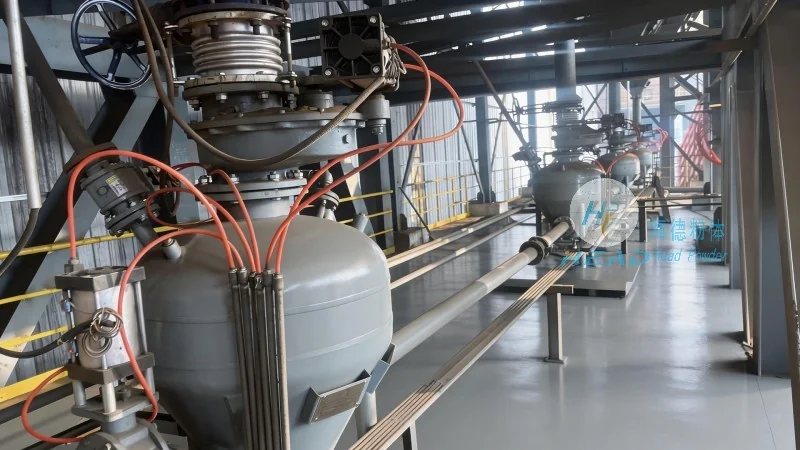
The design of a foundry sand material pneumatic conveying machine typically involves several key components that work together to achieve efficient material transport. The main components include a hopper for material storage, a blower or air compressor to generate the necessary air pressure, a pipeline system for transporting the sand, and a receiver or discharge unit where the material is deposited. The working principle is based on the principle of fluidization and pneumatic transport. When air is introduced into the hopper at a controlled pressure, it lifts the sand particles and carries them through the pipeline. The air velocity is carefully regulated to ensure that the sand particles remain suspended in the air stream without settling or clogging the pipeline. This process allows for the continuous and uniform transport of foundry sand over long distances, even with changes in elevation or direction.
Design Principles for Optimal Performance in Foundry Applications
The design principles of foundry sand pneumatic conveying machines are tailored to meet the specific demands of foundry operations. One of the critical design considerations is the selection of appropriate air velocity and pressure to ensure the efficient transport of sand without excessive energy consumption. The air velocity must be high enough to keep the sand particles in suspension but low enough to prevent excessive wear on the pipeline and components. Additionally, the material of construction is crucial, as foundry sand can be abrasive and corrosive. Therefore, components such as hoppers, pipelines, and valves are often made from materials like stainless steel, high-grade cast iron, or special alloys that can withstand the harsh conditions of foundry environments. Another important design aspect is the system's ability to handle varying sand compositions and moisture levels. The conveying system is designed to accommodate different types of foundry sand, including those with high moisture content or mixed with other additives, ensuring consistent performance and preventing blockages or degradation of the material.

Applications and Benefits of Foundry Sand Pneumatic Conveying Machines
Foundry sand material pneumatic conveying machines are widely used in various applications within the foundry industry. They are commonly employed in sand handling systems for mold making, where sand needs to be transported from storage to the molding machines. The equipment is also used in sand recycling processes, where used sand is collected, processed, and returned to the molding cycle. Additionally, these machines are used in sand mixing and blending operations, where different types of sand or additives are combined to achieve the desired properties for casting. The benefits of using pneumatic conveying systems in foundries include improved safety, as there is no need for manual handling of heavy or dusty sand loads. It also reduces the risk of dust contamination and improves the overall working environment. Furthermore, the system can handle large volumes of material with minimal space requirements, making it suitable for both small and large foundries. The efficiency of pneumatic conveying also leads to reduced energy consumption compared to traditional methods, contributing to cost savings and environmental benefits.