

Operation Process and Working Principle of Cobalt Hydroxide Pneumatic Conveying Line
HeadPowder, a leading provider in the field of material handling solutions, specializes in the design, manufacturing, and installation of advanced pneumatic conveying systems. This article focuses on the operation process and working principle of a cobalt hydroxide pneumatic conveying line, highlighting the technical aspects and efficiency of the system as applied by Shandong HeadPowder Engineering Co., Ltd. based in China.

Introduction to Pneumatic Conveying Systems
Pneumatic conveying systems are widely used in industrial applications for the transport of bulk materials, including powders and granules. These systems utilize air or other gases to move materials through a pipeline network. The cobalt hydroxide pneumatic conveying line, in particular, is engineered to handle the specific characteristics of cobalt hydroxide, a critical raw material in battery production and other industrial processes. The system ensures safe, efficient, and reliable transportation of the material from the source to the processing or storage location.
Components of the Cobalt Hydroxide Pneumatic Conveying Line
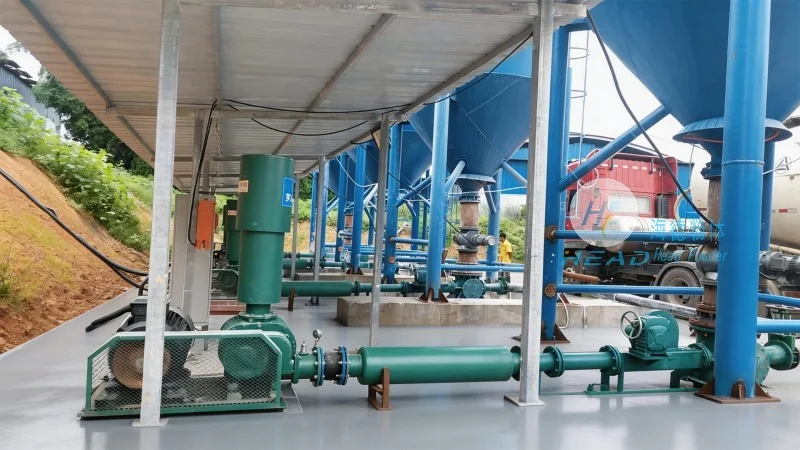
The cobalt hydroxide pneumatic conveying line consists of several key components that work in tandem to achieve effective material transport. These components include the material feed hopper, the air compressor or blower, the conveying pipeline, the control system, and the discharge equipment. Each component plays a crucial role in the overall operation of the system.

Material Feed and Preparation
The process begins with the material feed hopper, where cobalt hydroxide is stored and prepared for transport. The hopper is equipped with a feeder mechanism, such as a rotary valve or a screw feeder, which regulates the flow of material into the conveying pipeline. Proper material preparation is essential to prevent blockages and ensure consistent flow rates. The feeder controls the amount of material introduced into the system, matching the air flow to maintain optimal conveying conditions.
Air Compression and Flow Control
The air compressor or blower generates the necessary pressure and volume of air to move the cobalt hydroxide particles through the pipeline. The system is designed with adjustable air flow controls to accommodate variations in material density and particle size. The control system monitors and adjusts the air pressure and flow rate in real-time, ensuring that the material is conveyed at the desired velocity without causing excessive wear on the equipment or material degradation.
Conveying Pipeline and Material Transport
The conveying pipeline is typically made of durable materials such as stainless steel or plastic, chosen for their resistance to corrosion and abrasion from the cobalt hydroxide particles. The pipeline is arranged in a loop or straight configuration, depending on the layout of the facility. The air and material mixture travels through the pipeline under pressure, with the air velocity maintained above the minimum conveying velocity to prevent material settling or blockages. The system may include additional components like cyclones or filters to separate the material from the air at the discharge end.
Control System and Monitoring
The control system of the cobalt hydroxide pneumatic conveying line is integral to its operation, providing real-time monitoring and adjustment of key parameters. Sensors are installed throughout the system to measure air pressure, flow rate, and material level. The control system uses this data to optimize the operation, ensuring efficient use of energy and preventing operational issues. Operators can access the system's status and make adjustments through a user-friendly interface, enhancing the overall reliability and performance of the conveying line.
Discharge and Material Handling
At the end of the conveying pipeline, the cobalt hydroxide is discharged into a storage tank or processing equipment. The discharge system may include a cyclone separator or a filter to separate the material from the air, ensuring that the material is collected in a clean and controlled manner. The system is designed to minimize dust emissions and maintain a safe working environment. The discharge rate is controlled to match the downstream processing requirements, ensuring a smooth transition from the conveying line to the next stage of the production process.

Advantages of the Cobalt Hydroxide Pneumatic Conveying Line
The use of a pneumatic conveying line for cobalt hydroxide offers several advantages over traditional methods such as belt conveyors or bucket elevators. These advantages include reduced labor costs, improved safety due to enclosed systems, and the ability to handle materials with high moisture content or abrasive properties. The system also provides a more hygienic and controlled environment, which is critical for materials used in battery manufacturing. Additionally, the flexibility of the system allows for easy integration with existing production lines and future expansion as needed.
Conclusion
Shandong HeadPowder Engineering Co., Ltd. has successfully implemented and operates efficient cobalt hydroxide pneumatic conveying lines that meet the demanding requirements of modern industrial applications. The system's design and operation, as described in this article, demonstrate the effectiveness of pneumatic conveying technology in handling sensitive materials like cobalt hydroxide. By leveraging advanced components and control systems, the conveying line ensures reliable, safe, and efficient transport of the material, contributing to the overall productivity and quality of the production process.