

Operation Process and Working Principle of Pneumatic Conveying System for Aluminum Battery Materials
For companies in the aluminum battery industry, efficient material handling is crucial to maintaining production efficiency and ensuring product quality. Pneumatic conveying systems offer a reliable solution for transporting aluminum battery materials, such as powders, granules, and other raw materials, from one location to another within a production facility. This article will explore the operation process and working principle of a pneumatic conveying system designed specifically for aluminum battery materials, highlighting the key components, operational steps, and benefits of using such a system.

Key Components of the Pneumatic Conveying System
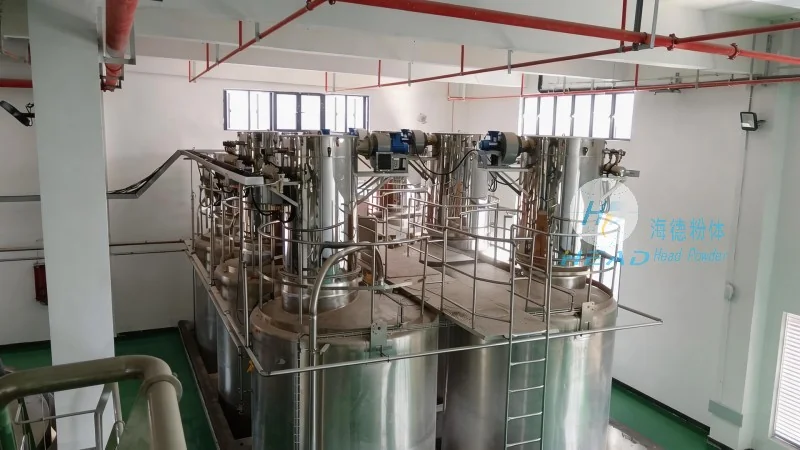
The pneumatic conveying system for aluminum battery materials typically consists of several essential components that work together to achieve efficient material transport. These components include a material hopper, a feeder, a conveying line (usually made of stainless steel or other corrosion-resistant materials to handle aluminum battery powders), a pressure vessel or receiver, a vacuum or pressure source (such as a blower or compressor), and a control system. Each component plays a critical role in the overall operation of the system.
The material hopper is used to store the aluminum battery materials, ensuring a constant supply of material to the feeder. The feeder, often a rotary valve or a screw feeder, regulates the flow of material into the conveying line, preventing overfeeding or underfeeding which could affect the system's performance. The conveying line is the main pathway for the material, and its design (e.g., straight or curved) and material (stainless steel) are chosen to minimize material degradation and ensure durability. The pressure vessel or receiver collects the conveyed material and may include a filter to separate any entrained air or fine particles. The vacuum or pressure source provides the necessary air flow to move the material through the system, while the control system monitors and adjusts the system parameters to maintain optimal operation.
Operation Process of the Pneumatic Conveying System
The operation of the pneumatic conveying system for aluminum battery materials involves several sequential steps that ensure smooth and efficient material transport. The process typically begins with the material being loaded into the hopper. The feeder then starts to discharge the material into the conveying line at a controlled rate. Simultaneously, the pressure source (either a blower or compressor) generates the required air flow, which propels the material through the conveying line. As the material travels through the system, it is carried by the air stream and deposited into the receiver at the end of the line. The receiver may include a discharge valve to control the release of the material into the next stage of the production process.

During the operation, the control system continuously monitors parameters such as pressure, flow rate, and material level. If any deviations occur, the system can automatically adjust the feeder speed or air flow to maintain stable operation. This closed-loop control ensures that the system operates efficiently and minimizes downtime due to material blockages or other issues. The entire process is designed to be continuous, allowing for uninterrupted material transport, which is essential for maintaining production schedules in aluminum battery manufacturing.
Working Principle of the Pneumatic Conveying System
The working principle of the pneumatic conveying system relies on the principles of fluid dynamics and particle transport. When the pressure source generates an air flow, it creates a pressure differential between the hopper and the receiver. This pressure differential causes the material to be drawn into the conveying line and carried by the air stream. The material is suspended in the air and transported through the system, with the air flow providing the necessary force to overcome the gravitational and frictional forces acting on the particles.
There are two main types of pneumatic conveying systems used for aluminum battery materials: pressure systems and vacuum systems. In a pressure system, the conveying line is under positive pressure, and the material is pushed from the hopper to the receiver. This type of system is suitable for short to medium distances and can handle larger particles. In a vacuum system, the receiver is under negative pressure, and the material is pulled from the hopper into the receiver. Vacuum systems are often used for longer distances or when the material needs to be transported from multiple sources to a single destination.

The choice between pressure and vacuum systems depends on factors such as the distance between the hopper and receiver, the particle size and density of the aluminum battery materials, and the desired flow rate. Both systems are effective for aluminum battery materials, but the selection is based on the specific requirements of the production facility. The working principle of both systems remains the same, with the primary difference being the direction of the air flow and the pressure differential applied.
Benefits of Using a Pneumatic Conveying System for Aluminum Battery Materials
Implementing a pneumatic conveying system for aluminum battery materials offers several significant benefits to manufacturers. First, it provides a dust-free and clean material handling solution, which is essential for maintaining a safe and healthy working environment in aluminum battery production facilities. Unlike traditional methods such as belt conveyors or bucket elevators, pneumatic conveying systems do not generate dust or require frequent cleaning, reducing the risk of respiratory issues among workers.
Second, the system offers high efficiency and reliability. The continuous operation and closed-loop control ensure that material transport is consistent and uninterrupted, minimizing downtime and improving overall production throughput. The system can handle a wide range of material types, including fine powders and granules, without the need for additional equipment such as screens or classifiers.
Third, the pneumatic conveying system is flexible and can be easily integrated into existing production lines. The modular design allows for customization based on the specific needs of the aluminum battery manufacturer, including the addition of components such as filters, cyclones, or silos to enhance the system's functionality. This flexibility makes the system suitable for both new installations and retrofits in existing facilities.
Fourth, the system reduces material degradation and loss. The enclosed design of the pneumatic conveying system prevents material from being exposed to air or moisture, which can cause degradation or contamination. Additionally, the system minimizes material spillage and waste, as the material is transported directly from the hopper to the receiver without intermediate storage or handling steps.